
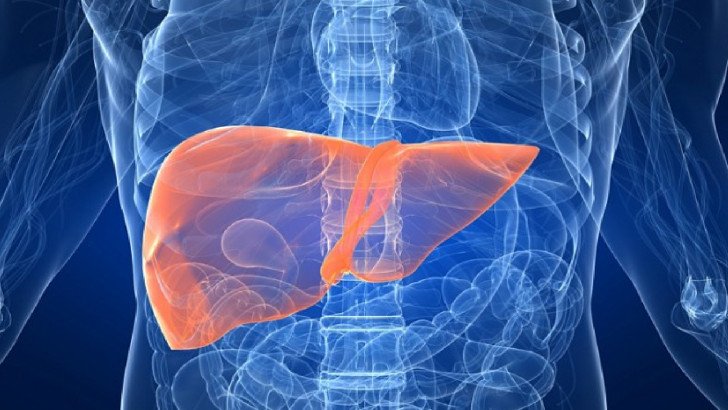
Fortunately, modern medical developments allow German physicians to successfully treat patients with liver cancer even at advanced stages.
Liver cancer is a disease in which abnormal cells grow uncontrollably inside the liver, an organ that plays a vital role in digestion, detoxification, and blood filtration. In early stages, liver cancer may remain limited to a small area of the liver. However, as the disease progresses, tumors may grow larger, appear in multiple areas of the liver, or spread beyond the liver to other organs. When this happens, the condition is often considered advanced liver cancer, and treatment planning becomes more complex. At advanced stages, doctors focus on controlling tumor progression, preserving liver function, and supporting the patient’s quality of life through a structured medical approach.
Many patients exploring new and innovative liver cancer treatment abroad are specifically searching for innovative treatment options in Germany. Germany has become a trusted destination because of specialist-led planning, precise diagnostic pathways, and access to new cancer treatments in Germany. For many international patients, choosing treatment in Germany means receiving care in well-regulated clinical settings with strong follow-up systems and clear treatment coordination.
Choosing medical treatment abroad is a major step. However, Germany is often preferred because of its advanced oncology infrastructure, consistent quality standards, and evidence-based decision-making. Treatment planning is typically guided by experienced German specialists, and patients are evaluated in recognized German healthcare centers and advanced German oncology centers.
Another major factor is diagnostic accuracy. Germany is known for careful staging and monitoring using modern imaging tools such as CT scans, MRI, PET scans. These imaging methods help define tumor extent, guide therapy planning, and monitor response. Many patients also research trusted international cancer resources, including Australian Cancer Society, to better understand advanced disease. In Germany, however, treatment decisions are made based on the patient’s individual reports, imaging, liver function tests, and specialist assessment.
Before doctors recommend advanced therapies, they first confirm the stage and extent of disease. Accurate staging matters in liver cancer because treatment decisions depend heavily on the number of tumors, their location, whether blood vessels are involved, and whether cancer has spread outside the liver.
The diagnostic pathway may include CT scans, MRI, PET scans, blood markers, and organ function testing. Specialists evaluate liver reserve and general health to ensure the safest treatment selection. For patients traveling from abroad, this structured diagnostic approach can be reassuring because it avoids rushed treatment choices and supports individualized planning.
New Cancer Treatments for Advanced Liver Cancer in Germany
Advanced liver cancer treatment often requires a combination of tumor-directed procedures and immune-based support. Germany offers advanced interventional oncology treatments and carefully controlled immunotherapy approaches.
Immunotherapy Dendritic Cell Therapy in Germany
Patients looking for modern and new treatment options for liver cancer in Germany often search these therapies.
TACE Treatment for Advanced Liver Cancer in Germany
TACE Treatment for advanced liver cancer in Germany, or Transarterial Chemoembolization, is a targeted interventional oncology procedure widely used to treat tumors within the liver. The goal of this treatment is to deliver chemotherapy directly into the blood vessels supplying liver metastases while restricting blood flow to the tumor.
In advanced liver cancer, TACE Treatment is often considered when liver metastases are dominant and systemic therapies alone are insufficient. The procedure begins with detailed imaging to identify tumor blood supply. A catheter is guided through the vascular system to reach the vessels feeding the tumors, where chemotherapy is administered directly, followed by embolization to reduce blood flow. This approach allows high local concentrations of chemotherapy at tumor sites while minimizing systemic exposure. It may help control tumor growth, reduce tumor burden, and manage symptoms in selected patients.
TACE Treatment in Germany is performed by Prof. Vogl in Frankfurt, Germany, a leading interventional oncologist. The cost of TACE Treatment in Germany typically ranges from €8,000 to €9,000 per session, depending on tumor complexity and treatment planning.
Immunotherapy Dendritic Cell Therapy for Advanced Liver Cancer in Germany
Immunotherapy Dendritic Cell Therapy for advanced liver cancer in Germany is a personalized immune-based treatment designed to support immune recognition of cancer-related markers. Unlike therapies that directly destroy tumor tissue, this approach focuses on immune education and immune surveillance. It aims to strengthen the immune system’s ability to recognize tumor-specific signals and respond more effectively.
The therapy begins with medical evaluation. During the first visit, doctors review patient history, evaluate immune function, and may recommend additional blood analysis or organ function tests. A blood sample of around 150 to 200 ml is drawn. In an EU GMP certified laboratory, immune cells (Monocytes) are isolated and cultured under controlled conditions.
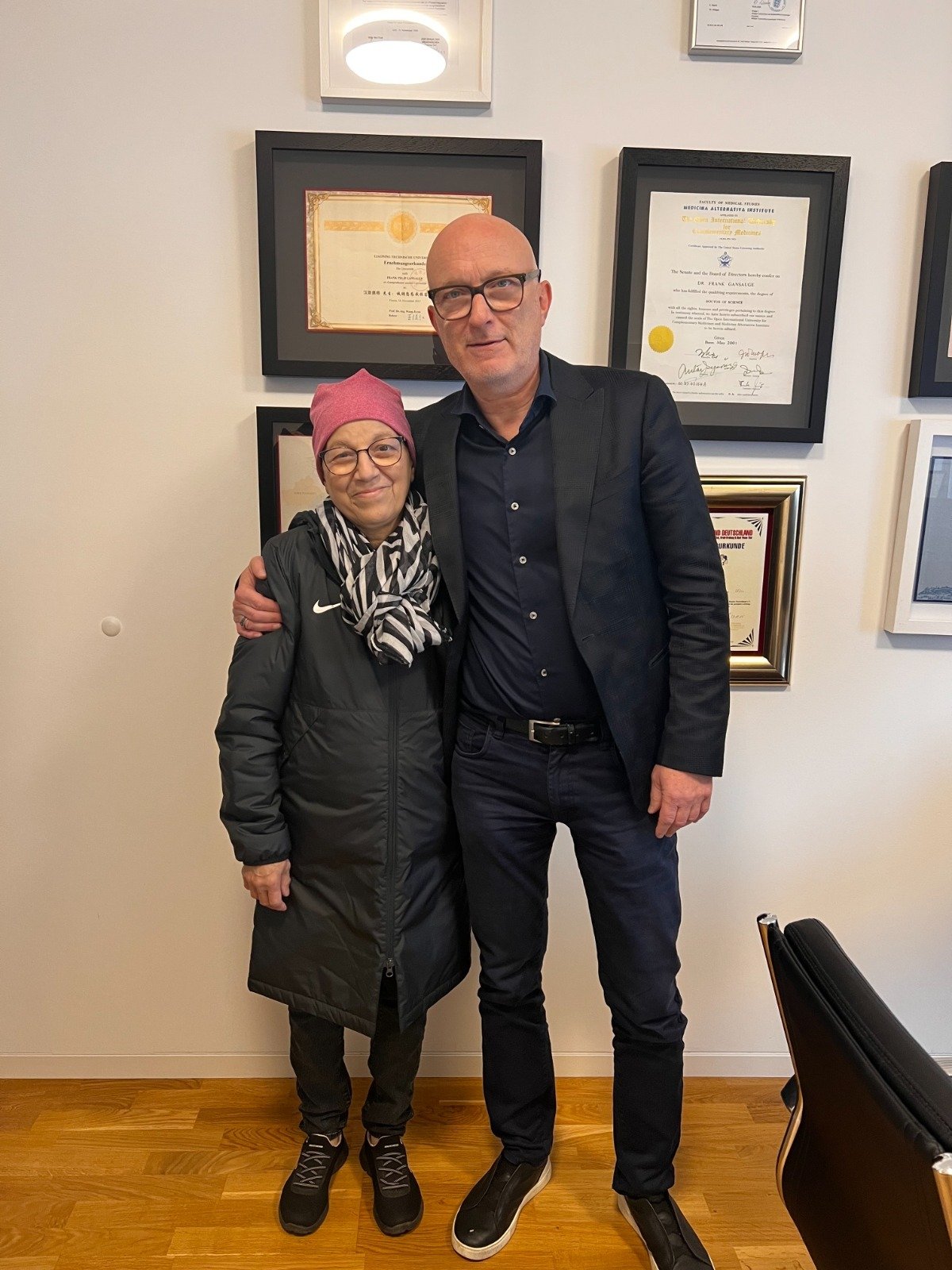
During this time, the cells are exposed to tumor-specific antigens and trained to recognize cancer markers. A comprehensive safety and quality check is performed before administration to ensure purity, sterility, and viability. The trained cells are administered back to the patient as a personalized dendritic cell vaccine, typically by injection under the skin. Patients usually leave the clinic the same day, with follow-up guidance and monitoring. This therapy is provided by Prof. Gansauge in Berg, Germany, and the cost of Immunotherapy Dendritic Cell Therapy in Germany is €26,000.
Combining Advanced Liver Cancer Treatments in Germany
In advanced cancer planning, doctors may evaluate combined strategies. In liver cancer management, an interventional approach like TACE Treatment in Germany may focus on local tumor control, while immunotherapy can support systemic immune recognition. German oncology teams monitor response and tolerance using imaging and laboratory follow-up and may adjust treatment strategy based on real clinical results.
This structured planning approach is one reason many international patients choose Germany for complex care, because the decision-making is transparent and guided by continuous reassessment.
New Clinical Trials for Liver Cancer in Germany
Many patients ask about research-based options, especially when the disease is advanced. Germany supports oncology research and clinical innovation, and some patients may be evaluated for new clinical trials for liver cancer in Germany.
Clinical trials vary based on hospital and eligibility criteria. They often depend on tumor biology, previous treatments, current health, and strict inclusion conditions. Trial availability changes over time, and evaluation must always be done by specialist teams.
International Patient Support through TIG (Treatment in Germany)
For many international patients, traveling abroad for advanced cancer treatment can be stressful due to hospital coordination, documentation, travel planning. This is why organized logistic support is important.
TIG (Treatment in Germany) at www.treatmentingermany.de ensures seamless coordination and manages complete logistic arrangements for international patients, including travel, lodging, and medical visa for international patients (if required). This structured support allows patients to focus on their treatment journey with confidence.
🌍Why Patients Worldwide Prefer Our Medical Services in Germany – Key Benefits Explained:


Frequently Asked Questions
What is advanced liver cancer?
Advanced liver cancer is cancer that has progressed within the liver or spread beyond it, requiring structured long-term treatment planning.
Why do patients choose Treatment in Germany for liver cancer?
Many patients choose treatment in Germany because of advanced diagnostics, specialist-led planning, and access to modern cancer treatments in Germany.
What is TACE Treatment in Germany?
TACE Treatment in Germany delivers chemotherapy directly into tumor blood supply and reduces tumor nourishment through embolization.
What is Immunotherapy Dendritic Cell Therapy in Germany?
It is a personalized immune therapy designed to support immune recognition of cancer markers.
What kind of tumors can dendritic cell therapy treat?
It can be evaluated for all types of solid tumors
Is dendritic cell therapy approved by FDA in Germany?
No, dendritic cell immunotherapy in Germany is not FDA-approved in the USA but adheres to strict EU-GMP standards, ensuring safety and quality for international patients.
Can TACE and dendritic cell therapy be combined?
Combination of TACE Treatment in Germany and Immunotherapy Dendritic cell therapy in Germany may be considered based on individual assessment.
What is a dendritic cell vaccine?
A dendritic cell vaccine is a personalized immune preparation designed to guide immune response against tumor-specific signals.
What is the cost of dendritic cell therapy in Germany?
The cost of Immunotherapy Dendritic Cell Therapy in Germany is €24,000.
Are there new clinical trials for advanced liver cancer in Germany?
Some patients may be evaluated for clinical trials depending on eligibility.
How can international patients arrange cancer treatment in Germany?
TIG, Treatment in Germany, at www.treatmentingermany.de, manages complete logistical arrangements including a medical visa support if required.
Kindly complete the form below, and our dedicated team will reach out to you promptly. We look forward to connecting with you soon!
Trierer Straße, 56072 Koblenz, Germany

Our benefits:
.webp)
 (1).webp)

.webp)
 (1).webp)

.jpg)