Stage 4 pancreatic cancer treatment in Germany with TACE and immunotherapy. Compare care options and Dendritic cell therapy cost in Germany with TIG support.
Details →
Explore NanoKnife pancreatic cancer treatment in Germany, including procedure details, cost, advanced diagnostics, and coordinated treatment for international patients through TIG.
Details →
Stage 4 pancreatic cancer treatment in Germany includes TACE and dendritic cell immunotherapy, with expert care from Prof. Vogl and Prof. Gansauge.
Details →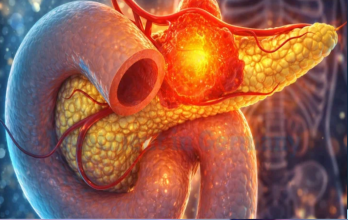
Pancreatic cancer treatment in Germany with dendritic cell therapy by Prof. Dr. Gansauge provides personalized options for advanced or inoperable cases.
Details →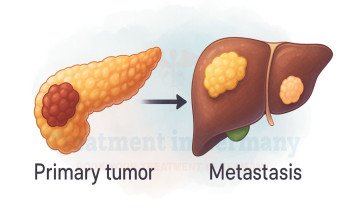
Explore treatment options for pancreatic cancer with liver metastasis in Germany, including TACE treatment and dendritic cell therapy under expert treatment, supported by TIG for international patients.
Details →
Treatment options for stage 4 pancreatic cancer in Germany include TACE and dendritic cell immunotherapy, guided by German specialists with complete support for international patients through TIG.
Details →
Stage IV Pancreatic cancer patients can access advanced treatment with dendritic cell therapy, offering new hope and personalized care options in Germany.
Details →
Stage 4 pancreatic cancer spreads to distant organs like the liver or lungs. This aggressive disease resists standard treatments such as surgery or systemic chemotherapy.
Details →
German clinics combine innovative options such as TACE therapy and Dendritic Cell Therapy in Germany with standard treatments like surgery, chemotherapy, radiation therapy, and targeted drugs.
Details →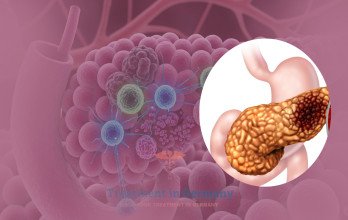
Treatment in Germany combines advanced technology, experienced specialists, and personalized care plans to achieve the best possible outcomes.
Details →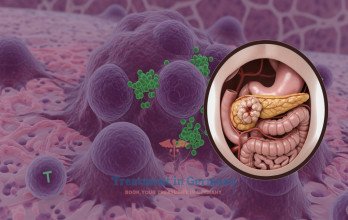
Pancreatic cancer originates in the pancreas, often as ductal adenocarcinoma or as metastases from other cancers. Risk factors include smoking, diabetes, chronic pancreatitis, and genetic predispositions.
Details →
Our benefits:

.webp)
 (1).webp)

.webp)


.jpg)

 (1).webp)

.jpg)