

Explore advanced breast cancer treatment in Germany, including dendritic cell therapy, TACE and TACP treatments, diagnostics, clinical trials, and complete international patient support through TIG.
Advanced Breast Cancer Treatment in Germany
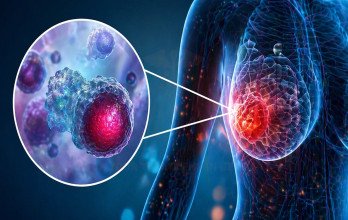
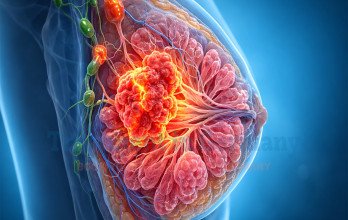
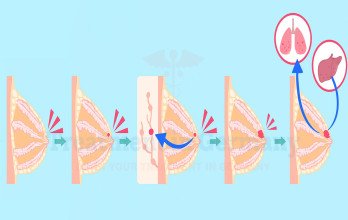
Advanced breast cancer refers to breast cancer that has progressed beyond the breast and nearby lymph nodes and may involve distant organs such as breast cancer with liver metastasis, bones, lungs, or brain. At this stage, treatment is no longer focused on removing a single tumor. Instead, treatment is planned as a long-term, structured strategy aimed at controlling disease activity, managing symptoms, and preserving quality of life.
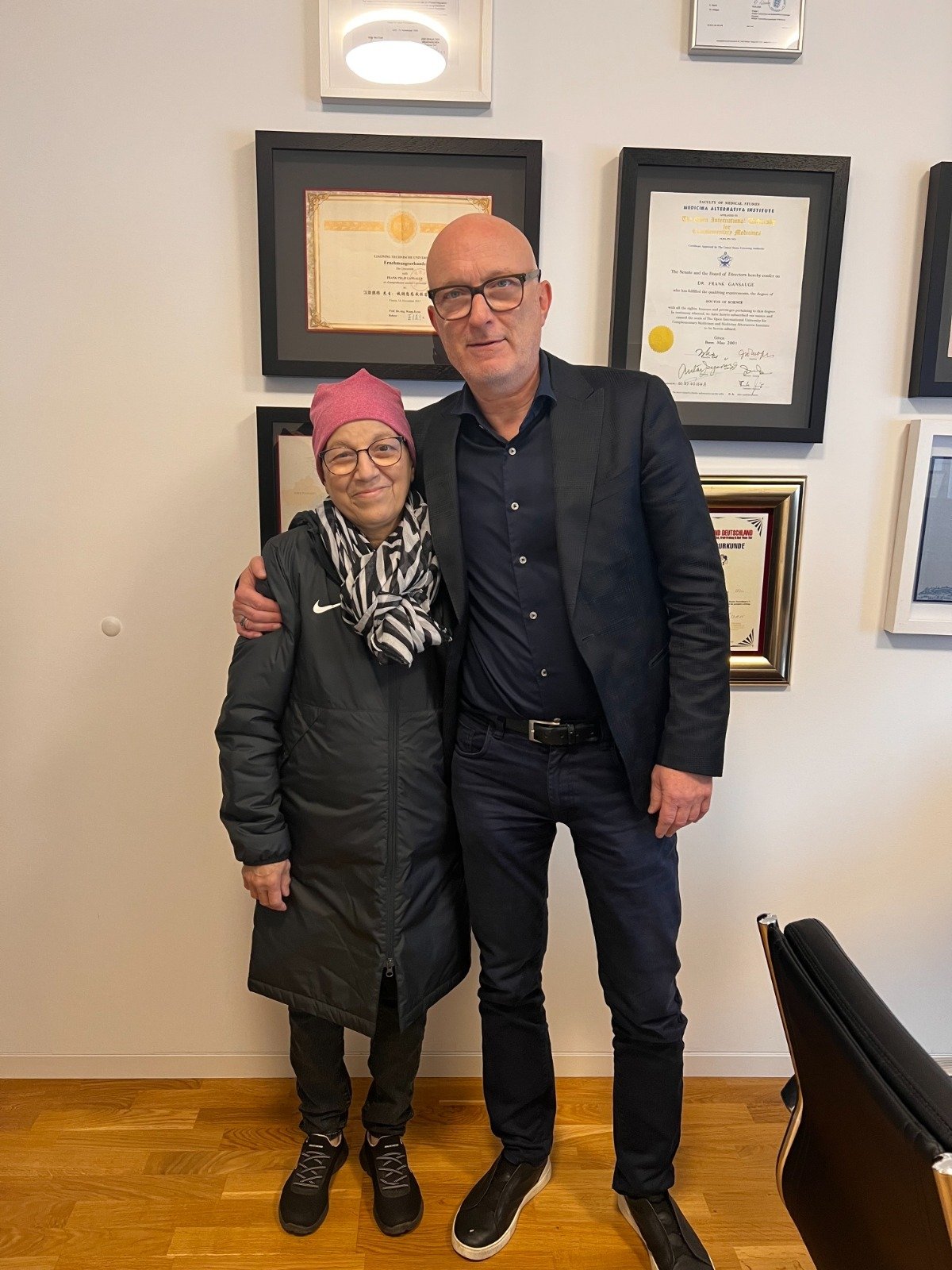
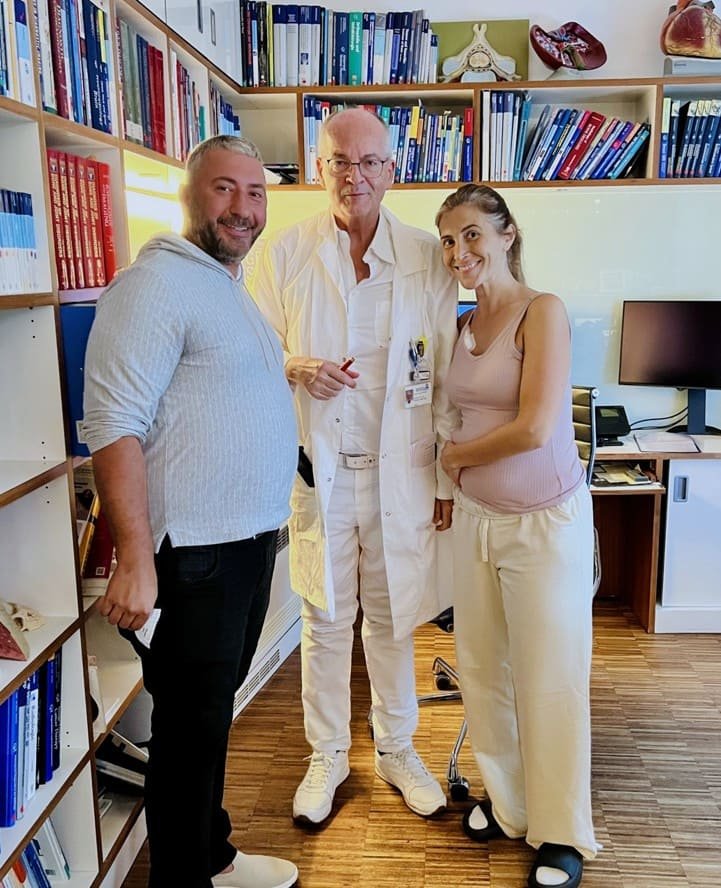
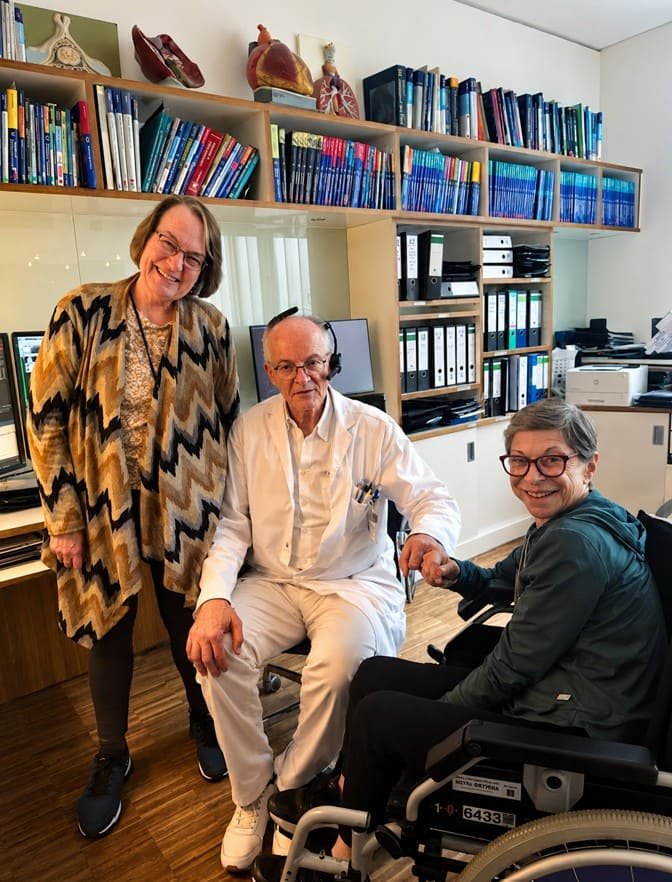
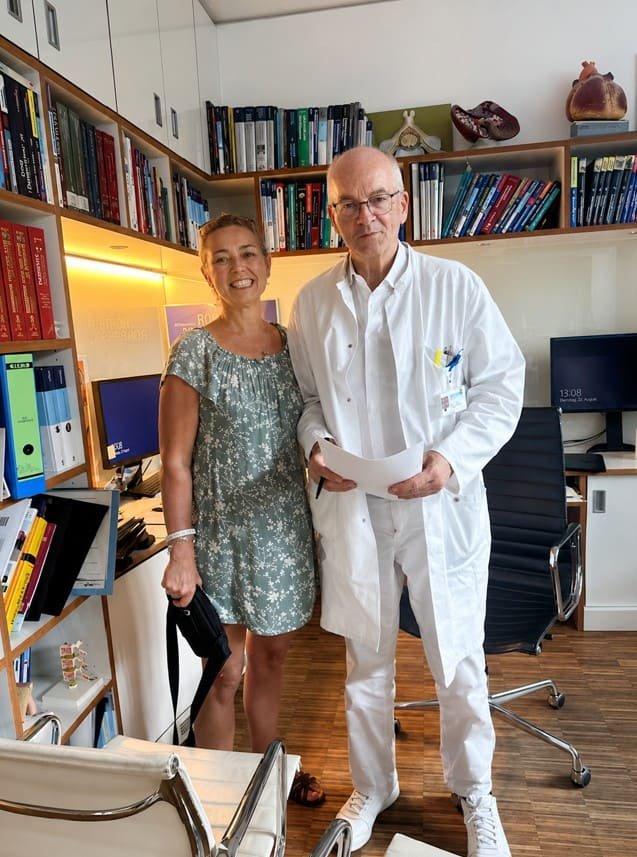
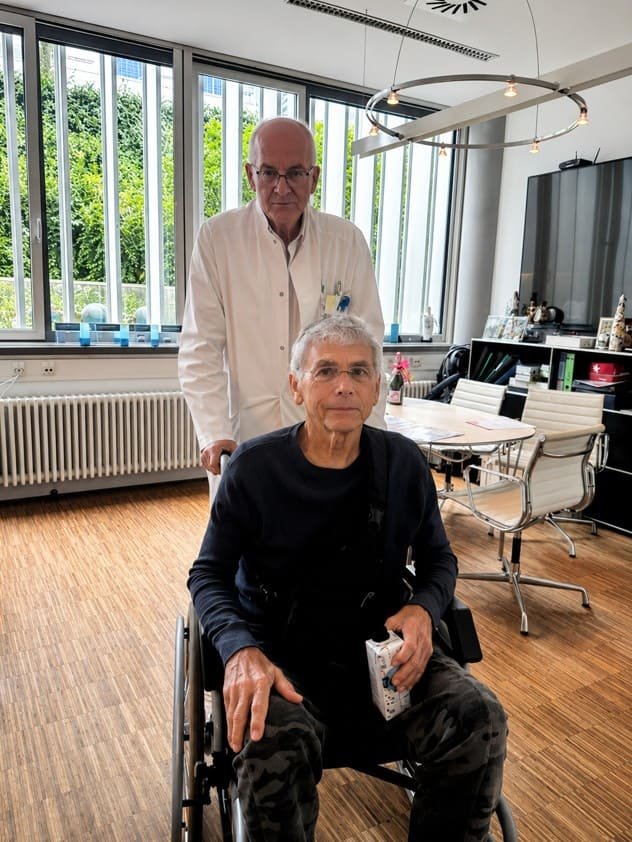
Germany has become a leading destination for women seeking advanced Triple Negative breast cancer treatment in Germany because of its regulated medical system, structured oncology planning, and access to new and innovative treatment options in Germany. Treatment pathways are guided by experienced specialist teams, including interventional oncology programs associated with Prof. Vogl, widely recognized for advanced embolization-based cancer procedures, and immune-based treatment programs associated with Prof. Gansauge, known for his focused work in advanced cell-based cancer immunotherapy. International patients can get a free consultation with TIG (Treatment in Germany) at www.treatmentingermany.de and receive complete logistical coordination, ensuring treatment is accessed through medically guided and transparent pathways rather than uncoordinated referrals.
Understanding Advanced Breast Cancer as a Systemic Disease
Advanced breast cancer is considered a systemic disease, meaning cancer cells may be active in more than one location at the same time. This is why treatment planning must go beyond localized approaches and focus on overall disease behavior. Factors such as tumor biology, spread pattern, symptom burden, and patient tolerance play a central role in therapy selection.
Breast cancer best treatment depends on individual medical findings and how the disease responds over time. This is why advanced treatment planning in Germany emphasizes continuous reassessment rather than one-time decisions.
Why International Patients Choose Breast Cancer Treatment in Germany
Germany is widely trusted for complex cancer treatment because of its regulated clinical standards and transparent treatment planning. Treatment is delivered through established German healthcare centers and German oncology centers equipped with the latest medical technology in Germany. These centers rely on advanced diagnostics such as CT scans, MRI, and PET scans to guide accurate treatment planning.
Patients often seek the best oncologist in Germany, depending on their cancer subtype and disease extent. This structured and multidisciplinary approach offers reassurance, particularly for international patients navigating advanced disease far from home.
Role of Innovative Therapies in Advanced Breast Cancer
As breast cancer advances, standard systemic therapies may not be sufficient on their own. Germany is known for evaluating new and innovative cancer treatments that aim to improve disease control while minimizing unnecessary toxicity. These therapies are not applied automatically but are carefully reviewed for suitability.
Among the most relevant options for selected patients are dendritic cell therapy, TACE Treatment, and TACP treatment, each serving a different purpose depending on tumor location and disease behavior.
Immunotherapy Dendritic Cell Therapy for Advanced Breast Cancer in Germany

Immunotherapy Dendritic cell therapy for advanced breast cancer is a personalized immune-based approach designed to support the immune system’s ability to recognize cancer-related markers. Unlike chemotherapy or radiation, this therapy does not directly destroy tumor tissue. Instead, it focuses on immune education and immune surveillance.
The process begins with a detailed medical review to determine whether the patient is suitable for immune-based therapy. A controlled blood sample is collected, and immune cells (monocytes) are isolated in an EU GMP certified laboratory. These cells are then cultured under strict laboratory conditions and exposed to tumor-specific antigens associated with breast cancer.
Over several days, the cells mature into dendritic cells capable of presenting cancer markers to the immune system. Before administration, extensive quality and safety checks are performed to confirm sterility, viability, and purity. The prepared cells are then administered back to the patient as a personalized dendritic cell vaccine, usually through a simple injection.
Patients are monitored throughout the treatment course, and follow-up guidance is provided as part of long-term disease management. The cost of Immunotherapy Dendritic Cell Therapy in Germany is €26,000, including immune cell collection, laboratory processing, vaccine preparation, and administration. This therapy is evaluated for solid tumors, including advanced breast cancer, as part of a comprehensive care strategy.
TACE Treatment for Advanced Breast Cancer in Germany

TACE Treatment for advanced breast cancer is an interventional oncology procedure most commonly evaluated when advanced breast cancer involves dominant liver lesions and localized tumor control is required. This approach combines targeted chemotherapy delivery with embolization to concentrate treatment within tumor tissue.
During the procedure, chemotherapy is delivered directly into the blood vessels supplying the tumor. Immediately afterward, embolic particles are introduced to block the blood flow to the tumor area. This combined effect helps trap chemotherapy locally while limiting exposure to surrounding healthy tissue.
Before treatment, doctors carefully review imaging to assess tumor size, number, and distribution, as well as overall organ function and patient stability. After the procedure, patients are monitored for a short period, and follow-up imaging is used to assess treatment response.
The cost of TACE Treatment in Germany typically ranges between €8,000 and €9,000 per session, depending on individual planning and disease complexity.
TACP Treatment for Advanced Breast Cancer in Germany

TACP treatment or Transarterial Chemoperfusion for advanced breast cancer, is another interventional oncology option evaluated in selected advanced breast cancer cases. This therapy delivers chemotherapy directly into tumor-feeding arteries while maintaining blood flow, allowing controlled exposure of cancer tissue to medication.
The procedure begins with angiographic planning to map the blood supply of the tumor area. A catheter is guided into the relevant artery, and chemotherapy is infused in a controlled manner. Patients are monitored during and after the procedure, and follow-up evaluations help determine whether additional sessions are required. The cost of TACP treatment in Germany generally ranges between €8,000 and €9,000 per session, depending on procedural planning and clinical needs.
Combining Treatment Approaches in Advanced Breast Cancer
Advanced breast cancer management often involves combining systemic therapy with localized interventional or immune-based approaches. German specialists carefully evaluate how dendritic cell therapy, TACE Treatment, and TACP treatment fit into the overall plan, ensuring therapies complement each other rather than overlap unnecessarily. This integrated strategy aligns with evidence-based oncology principles supported by organizations such as the Canadian Cancer Society, which emphasize personalized treatment and ongoing reassessment.
Monitoring and Follow-Up during Treatment
Ongoing monitoring plays a crucial role in advanced breast cancer management. German centers rely on structured follow-up schedules, advanced imaging, and clinical evaluation to track disease behavior and adjust treatment plans when necessary. This approach reduces uncertainty and supports timely decision-making.

New Clinical Trials for Advanced Breast Cancer in Germany
Germany actively supports new clinical trials focused on improving outcomes for advanced breast cancer. Trial eligibility depends on tumor biology, prior treatment history, and overall health status. Availability changes over time and is assessed through formal medical review to ensure patient safety and ethical compliance.
International Patient Support through Treatment in Germany
Traveling abroad for cancer treatment can be complex. Treatment in Germany (TIG) at www.treatmentingermany.de provides complete logistical support, including medical coordination, appointment scheduling, and medical visa support if required. This structured support allows patients to focus on treatment rather than administrative challenges.
🌍Why Patients Worldwide Prefer Our Medical Services in Germany – Key Benefits Explained:






















.webp)
 (1).webp)
.webp)
.jpg)
 (1).webp)
.jpg)