

Learn about dendritic cell therapy success rates in 2025, treatment process, costs in Germany, innovative immunotherapy approaches, and full support for international cancer patients via TIG.
Dendritic Cell Therapy Success Rates in 2025
Dendritic Cell Therapy is a personalized form of immunotherapy that focuses on strengthening the body’s own immune response against cancer. Instead of attacking tumors directly with chemicals or radiation, this therapy works by educating the immune system to better recognize and respond to cancer-related markers. In 2025, dendritic cell therapy continues to gain attention as part of new and innovative treatment options in Germany, particularly for patients with advanced or metastatic disease where conventional treatments may offer limited benefit.
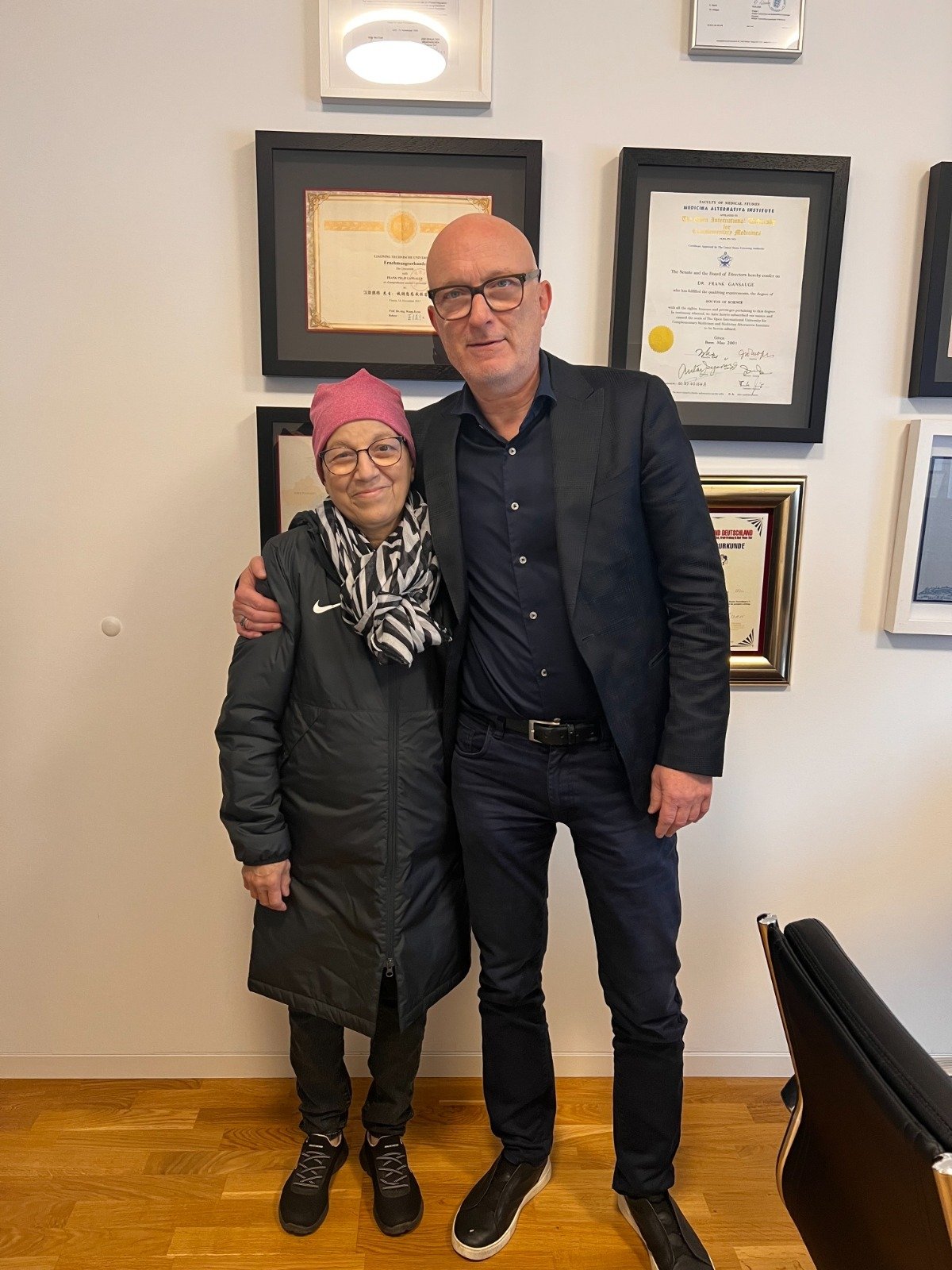
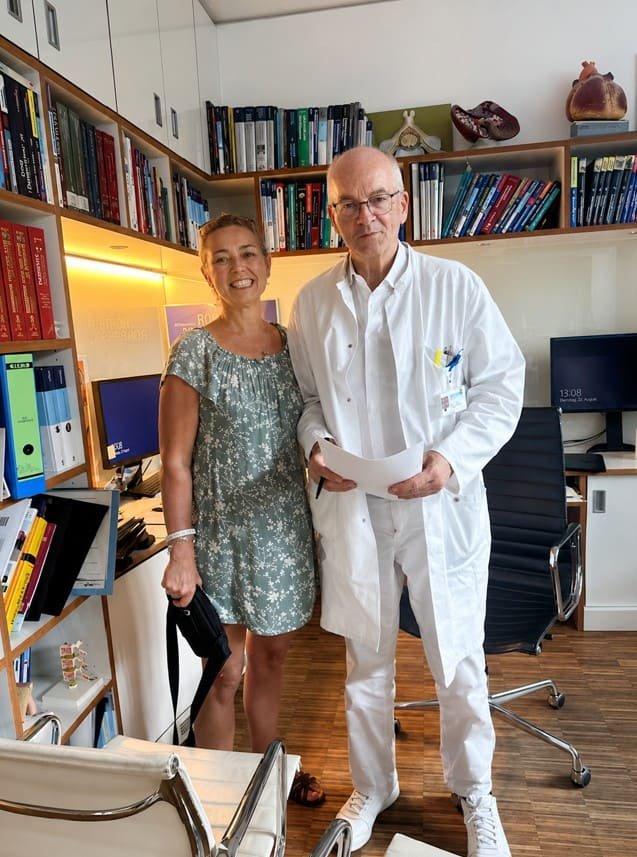
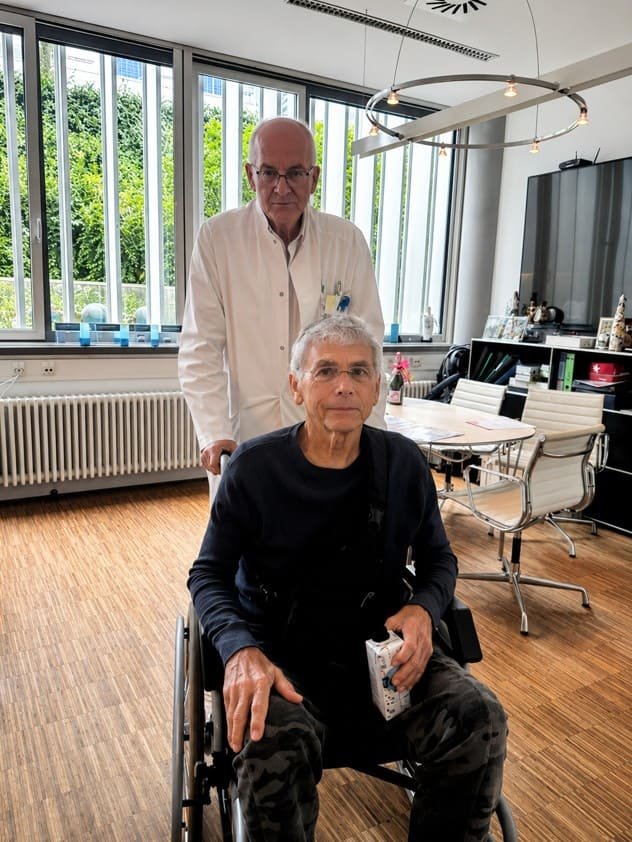
Germany has become a trusted destination for this therapy due to its regulated clinical standards, advanced laboratory infrastructure, and specialist-led immunotherapy programs. Programs associated with experts such as Prof. Gansauge, known for his focused work in advanced cell-based cancer immunotherapy, operate under strict oversight. International patients access these treatments through Treatment in Germany (TIG) at www.treatmentingermany.de , which manages complete logistical arrangements so patients do not need to navigate hospitals independently.
Why Success Rates in Dendritic Cell Therapy Are Interpreted Differently
When discussing dendritic cell therapy success rates in 2025, it is important to understand that immunotherapy does not follow the same measurement model as chemotherapy. Success is not defined only by tumor shrinkage. Instead, doctors evaluate immune activation, disease stabilization, symptom control, and quality-of-life improvement over time.
Major oncology references such as the Australian Cancer Society emphasize that immune-based therapies often show delayed but sustained effects. This means patients may not see immediate tumor reduction, but immune response may improve long-term disease control. This is why success rates vary significantly based on tumor type, disease stage, immune status, and prior treatments.
Cancers Evaluated for Dendritic Cell Therapy in 2025

In 2025, dendritic cell therapy in Germany is evaluated for a wide range of solid tumors, including advanced colorectal cancer, breast cancer, lung cancer, ovarian cancer, brain tumors such as glioblastoma, gastric cancer, and other metastatic cancers. Therapy suitability is determined through structured medical evaluation rather than tumor type alone.
This personalized approach aligns with new cancer treatments in Germany, where treatment planning focuses on patient-specific biology rather than generalized protocols.
How Dendritic Cell Therapy Works Inside the Body
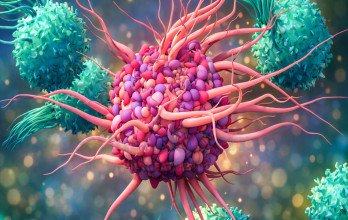
The immune system relies on communication between immune cells. Dendritic cells act as messengers that present tumor-specific information to T-cells, triggering an immune response. In advanced cancer, this signaling pathway often becomes ineffective, allowing cancer cells to evade detection.
Dendritic cell therapy strengthens this pathway by preparing dendritic cells outside the body and reintroducing them as a personalized dendritic cell vaccine. This process supports immune surveillance and helps the immune system recognize cancer-related signals more clearly.
Dendritic Cell Therapy Process in Germany

One of the reasons international patients choose this innovative treatment in Germany is the structured and transparent therapy pathway.
The process begins with a comprehensive medical review where specialists assess diagnosis reports, disease stage, immune function, and previous therapies. Once suitability is confirmed, a blood sample is collected, usually around 150 to 200 ml.
From this sample, immune cells (Monocytes) are isolated and processed in an EU GMP certified laboratory. These cells are cultured under controlled conditions and exposed to tumor-specific antigens so they mature into functional dendritic cells capable of activating immune response.
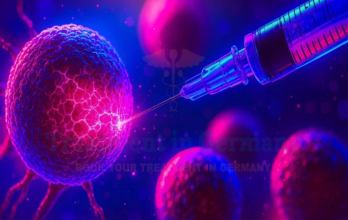
Before administration, strict safety and quality checks are performed to ensure sterility and cell viability. The prepared cells are administered back to the patient, usually through a subcutaneous injection. Patients are monitored during and after therapy, and most can return home the same day. The cost of Immunotherapy Dendritic Cell Therapy in Germany generally ranges between approximately €24,000 and €26,000, including immune cell collection, laboratory processing in an EU GMP certified facility, personalized vaccine preparation, and supervised administration. Additional diagnostic or follow-up costs may vary depending on individual treatment planning.
What Success Looks Like in 2025

In 2025, success with dendritic cell therapy is evaluated through multiple parameters rather than a single outcome. These include disease stabilization, slower progression, improved immune markers, reduced symptom burden, and enhanced quality of life.
Doctors emphasize that immunotherapy outcomes are gradual. Some patients respond earlier, while others experience benefits over longer monitoring periods. This variability is why success rates are always discussed in the context of individual medical profiles rather than universal statistics.
Role of Diagnostics in Evaluating Success
Accurate evaluation relies heavily on diagnostics. German oncology teams use advanced imaging and monitoring tools such as CT scans, MRI, and PET scans to track disease behavior over time. These tools help specialists understand whether immune-based therapy is contributing to disease control and guide further treatment decisions.
Germany’s diagnostic precision is one of the reasons patients seek treatment at German healthcare centers and German oncology centers.

New and Ongoing Cancer Clinical Trials in Germany
Germany remains actively involved in immunotherapy research. New and Ongoing Cancer clinical trials in Germany continue to explore improved antigen selection, immune profiling, and combination strategies involving dendritic cell therapy. Trial eligibility depends on tumor type, disease stage, and patient health. Participation in trials is evaluated carefully to ensure safety and ethical compliance.
Why International Patients Choose Germany for Dendritic Cell Therapy
International patients choose Germany because of regulated treatment protocols, access to latest medical technology in Germany, experienced specialists, and structured follow-up systems. Many families feel reassured knowing therapy decisions are based on evidence and not experimentation.
Patients seeking treatment from the best oncologist in Germany benefit from multidisciplinary evaluation and transparent communication throughout treatment.
International Patient Support through TIG
Navigating treatment abroad can be complex. TIG, Treatment in Germany at Treatment in Germany , assists international patients with complete logistical arrangements, including hospital coordination, travel, and medical visa support if required. This structured support allows patients to focus on treatment rather than administrative challenges.
🌍Why Patients Worldwide Prefer Our Medical Services in Germany – Key Benefits Explained:
















.webp)
 (1).webp)

.webp)
.jpg)

 (1).webp)
.jpg)