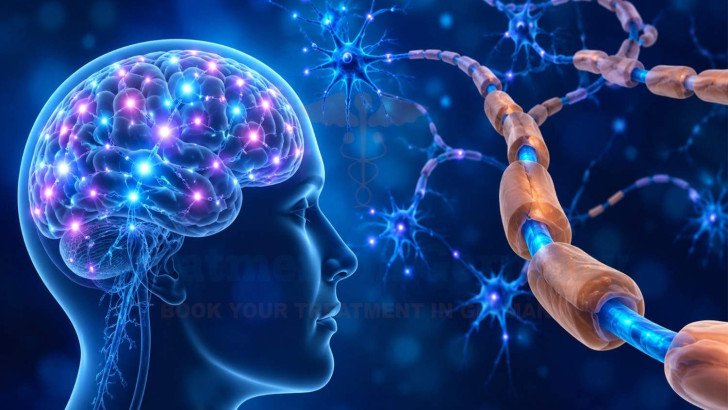
The disease leads to impaired speech and interaction with other people, which in turn leads to mental retardation of the child.
Stem Cell Therapy for Autism in Germany
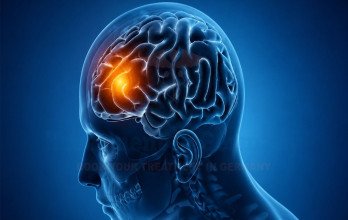
Autism spectrum disorder (ASD) affects millions of children and adults worldwide and is characterized by challenges in social communication, behavior, sensory processing, and adaptive functioning. It is also one of the most common neurodevelopmental conditions worldwide and affects individuals across all geographic, ethnic, and socioeconomic groups [1]. Although many individuals benefit from behavioral, educational, and supportive interventions, some families continue searching for additional treatment options when progress remains limited.
Growing interest in regenerative medicine has brought attention to stem cell therapy for autism to investigate whether stem cell–based approaches may have a role in addressing certain biological mechanisms that have been studied in ASD. Researchers are investigating whether stem cells may influence biological processes associated with neuroinflammation, immune dysfunction, and neural signaling that have been observed in subsets of individuals with autism although the relationship between these findings and autism symptoms remains incompletely understood and is still under investigation. Germany's strong medical infrastructure, research environment, and multidisciplinary healthcare system have made it a destination for families seeking advanced evaluations and investigational treatment options.
It is important to understand that stem cell therapy for autism is not considered a standard treatment. Current research remains ongoing, and treatment decisions should always be based on evidence, realistic expectations, and specialist evaluation. Understanding both the potential benefits and limitations, uncertainties, costs, and possible risks of investigational therapies is essential before considering any advanced intervention.
What Is Autism and How Is It Currently Treated?
Autism spectrum disorder is a complex neurodevelopmental condition that affects how individuals communicate, interact socially, process sensory information, and adapt to everyday situations. The term "spectrum" reflects the considerable variation in symptoms and support needs among affected individuals. Some children require substantial daily assistance, while others function independently and participate fully in education and employment.

The exact causes of autism remain incompletely understood. Current evidence suggests that genetic factors play a major role, while a range of prenatal, perinatal, and other biological or environmental influences may also contribute to risk. Researchers have identified hundreds of genes associated with ASD, highlighting the biological complexity of the condition [2].
Many individuals with autism also experience co-occurring conditions such as:
Attention-deficit/hyperactivity disorder (ADHD).
Anxiety disorders and other mental health conditions.
Sleep disturbances.
Gastrointestinal problems.
Sensory processing difficulties.
Intellectual disability.
Because autism affects multiple aspects of development, treatment typically requires a multidisciplinary approach.
Standard Autism Therapies
Before considering advanced treatments, families should understand that evidence-based therapies remain the foundation of autism care.
Common evidence-based interventions may include:
Behavioral therapy
Speech and language therapy
Occupational therapy
Social communication and social skills interventions
Educational support programs
Parent-guided interventions
These interventions can help individuals with ASD develop communication, learning, social, adaptive, and daily living skills. Any discussion about stem cell treatment for autism should occur within the context of these established interventions rather than as a replacement for them.
Why Is Stem Cell Therapy Being Studied for Autism?
Interest in stem cells and autism stems from growing evidence that some individuals with ASD may exhibit immune abnormalities and neuroinflammatory changes. Researchers have reported altered cytokine activity, immune dysregulation, and inflammatory signaling in subsets of autistic individuals, leading to the hypothesis that certain biological therapies might influence relevant pathways, although a direct causal relationship between these findings and core autism features has not been established [6].
When discussing what stem cell therapy for autism is, it is important to understand that stem cells are not intended to replace damaged brain tissue or reverse autism itself. Instead, researchers are investigating whether stem cells may influence biological pathways associated with symptom development and progression.
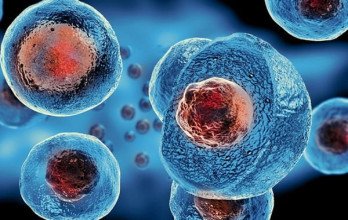
Mesenchymal stem cells (MSCs), which can be derived from sources such as umbilical cord tissue and Wharton's jelly, have attracted particular interest because of their anti-inflammatory and immunomodulatory properties [6].
Which Stem Cells Are Used in Autism Research?
Several stem cell types have been investigated in stem cell therapy for autism, with most research focusing on cells that have anti-inflammatory and immune-regulating properties.
Mesenchymal Stem Cells (MSCs): The most commonly investigated stem cell type in autism-related research, largely due to their immunomodulatory properties observed in preclinical and early clinical studies [6].
Umbilical Cord-Derived Stem Cells: Investigated in early-stage research for potential immunomodulatory and anti-inflammatory properties, with proposed but unproven relevance to neurodevelopmental conditions [3][7].
Wharton's Jelly Mesenchymal Stem Cells: A specialized type of MSC obtained from the umbilical cord and investigated in several autism studies [4].

What Is Stem Cell Therapy for Autism?
When families ask what stem cell therapy is for an autistic child, they are generally referring to the administration of stem cells under medical supervision as part of an investigational treatment program.

Most research programs have focused on mesenchymal stem cells derived from umbilical cord tissue or Wharton's jelly because of their immunomodulatory properties. The goal is not to cure autism but to investigate whether these cells may influence biological processes associated with symptom severity.
How Does Stem Cell Therapy for Autism Work?
To understand stem cell therapy for autism, it is important to know that stem cells are not believed to replace brain cells or directly reverse autism. Instead, researchers believe they are hypothesized to influence biological pathways related to immune signaling, inflammatory activity, and neural connectivity, although the clinical significance of these effects in autism remains understudy.
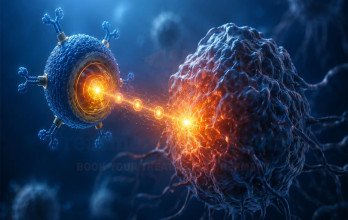
Most forms of stem cell therapy for autism being investigated today use mesenchymal stem cells derived from sources such as umbilical cord tissue or Wharton's jelly. These cells release signaling molecules, growth factors, and anti-inflammatory substances that may help regulate immune activity and support a healthier neurological environment [6].
Research into stem cells and autism has focused on the observation that some individuals with autism may exhibit neuroinflammation and immune system abnormalities. Scientists are studying whether stem cells can help modulate these processes and potentially improve certain symptoms in selected patients but whether this translates into clinical improvement in autism symptoms remains understudy.
Researchers have proposed several ways that stem cell treatment for autism may work:
Reducing inflammatory signaling.
Regulating immune responses.
Releasing neuroprotective growth factors.
Supporting neural plasticity.
Improving communication between nerve cells.

Because of these properties, researchers continue investigating stem cells for autism as a potential supportive therapy. However, further clinical studies are needed to determine which patients may benefit most and whether improvements can be maintained over the long term.
The goal of autism stem cell therapy is not to cure autism but to explore whether modifying underlying biological processes may help improve areas such as communication, social interaction, attention, and behavioral regulation. Current evidence remains preliminary, and autism stem cell therapy should still be considered an investigational approach rather than a standard treatment [5][6].
Stem Cell Therapy Procedure for Autism
The stem cell therapy procedure for autism typically follows a structured medical pathway. While exact protocols differ among treatment centers, the overall process generally includes comprehensive assessment, eligibility review, treatment planning, and follow-up monitoring.
Typical Treatment Pathway
In clinical research settings, a typical investigational study workflow may include:
• Medical records review.
• Baseline neurological and developmental assessments.
• Screening against study inclusion and exclusion criteria.
• Informed consent process.
• Defined intervention administration under protocol conditions.
• Short-term safety monitoring.
• Structured follow-up assessments for outcomes and adverse events.
Families considering a stem cell procedure for autism should expect extensive evaluation before any treatment recommendations are made.
Who May Be Eligible for Stem Cell Therapy for Autism?
Not every individual with autism is considered an appropriate candidate for stem cell therapy. Treatment decisions are usually based on comprehensive clinical assessment rather than diagnosis alone.
Factors often considered include:
Confirmed autism diagnosis.
Developmental history.
Current functional status.
Overall medical condition.
Family commitment to follow-up care.
Treatment goals.
How Can I Find Out Whether My Child May Be Eligible?
Eligibility is determined through specialist evaluation and review of medical records. Through TIG GmbH, international families can arrange a medical record review to better understand potential eligibility and available treatment pathways in Germany.
What Does Research Say About Stem Cell Therapy for Autism?
The field of stem cell therapy autism research continues to expand, although evidence remains preliminary. One Phase I study conducted at Duke University investigated human cord tissue mesenchymal stem cell infusions in children with autism. Researchers reported that the treatment was generally safe, and approximately half of the participants showed improvement in at least two outcome measures. However, the study was small and not designed to establish effectiveness conclusively [3].
Recent reports involving Wharton's jelly-derived mesenchymal stem cells have described encouraging safety findings and potential clinical improvements in selected patients, although larger controlled studies are still needed [4].
A separate clinical investigation involving 37 children examined the combination of cord blood mononuclear cells and umbilical cord mesenchymal stem cells. Researchers reported acceptable safety findings and improvements in several behavioral assessments, although additional studies are required to validate the results [7].
Areas Under Investigation for Autism?

Most published studies investigating stem cell therapy for autism are early-phase clinical trials involving relatively small numbers of participants. Although safety findings have generally been encouraging, larger placebo-controlled studies are still required before efficacy can be established with confidence.
What Is the Success Rate of Stem Cell Therapy for Autism?
Families frequently search for information about the success rate of stem cell therapy for autism. However, there is currently no universally accepted success rate. Different studies use different patient populations, treatment protocols, outcome measures, and follow-up periods. This makes direct comparison difficult and prevents the establishment of a reliable overall success percentage.
A systematic review examining stem cell therapy for autism concluded that although some studies report improvements in communication, social interaction, and behavioral measures, evidence remains insufficient to support routine clinical use. The review also highlighted the need for larger controlled trials and longer follow-up periods [5].
For this reason, families should interpret claims regarding stem cell therapy autism success stories cautiously. Individual experiences may be meaningful, but they do not replace scientific evidence derived from well-designed clinical studies.
Is Stem Cell Therapy for Autism Safe? Risks and Limitations
As interest in stem cell therapy for autism in Germany continues to grow, it is important for families to understand both the potential benefits and the limitations of current research. Although several clinical studies have reported encouraging safety findings, stem cell therapy remains an investigational approach rather than an established standard treatment for autism spectrum disorder.
One of the most important considerations is that autism is highly heterogeneous. Individuals with ASD differ significantly in their symptoms, developmental profiles, genetic backgrounds, and co-occurring medical conditions. This variation makes it difficult to predict how a particular child may respond to treatment. Researchers continue working to identify biological markers that may help determine which patients are most likely to benefit from stem-cell-based interventions.

What Are the Side Effects of Stem Cell Therapy for Autism?
Published studies have generally reported favorable safety profiles for stem cell therapies used in autism research. Most adverse events have been mild and temporary, with no major safety concerns identified in early clinical trials although study sizes are small and follow-up duration is limited [3][4].
The most commonly reported stem cell therapy autism side effects include:
Temporary fatigue.
Mild headache.
Low-grade fever.
Nausea.
Irritability.
Local discomfort after administration.
More serious complications appear uncommon in published studies. However, the absence of major complications in small clinical studies does not eliminate the possibility of rare adverse events, particularly over longer follow-up periods.
Families considering stem cell therapy for an autistic child in Germany should ensure that treatment is performed within a regulated clinical setting that includes structured follow-up and ongoing medical supervision.
Can Stem Cells Cure Autism?
Families frequently search for information about an autism stem cell cure, hoping that advances in regenerative medicine may offer a permanent solution. However, current scientific evidence does not support the claim that stem cell therapy can cure autism. For families asking, can stem cells cure autism, the answer based on current research is no and based on current evidence, stem cell therapy has not been shown to cure autism spectrum disorder.
Autism spectrum disorder is a lifelong neurodevelopmental condition, and no stem cell-based treatment has been shown to eliminate the condition entirely. While some studies have reported improvements in areas such as communication, social interaction, attention, and behavior in selected patients, these findings should be viewed as potential symptom improvements rather than a cure [5].

Similarly, a stem cell transplant for autism should not be considered a curative procedure. The primary goal of treatment is to explore whether stem cells can support neurological function and improve certain developmental outcomes. Families should maintain realistic expectations and discuss the potential benefits, limitations, and current evidence with experienced specialists before making treatment decisions.
Gene Therapy and Future Research Directions
In addition to stem cell research, scientists are actively investigating gene therapy for autism and other forms of genetic treatment for autism. Advances in genetics have transformed understanding of autism over the past decade, revealing hundreds of genes that may contribute to ASD risk and development [2].
Gene therapy research is currently focused primarily on rare genetic forms of autism associated with specific mutations. These approaches remain experimental and are not part of routine autism care.
Researchers are exploring several emerging areas:
Precision medicine approaches.
Gene-editing technologies.
Mutation-specific therapies.
Advanced genetic screening.
Personalized treatment models.
The concept behind genetic treatment for autism differs significantly from stem cell therapy. While stem cell approaches focus on modifying biological processes such as inflammation and immune regulation, gene therapy seeks to address specific genetic abnormalities that may contribute to neurodevelopmental differences.
Although promising, these approaches remain largely experimental. Most current research is still focused on understanding genetic mechanisms rather than providing widely available clinical treatments [6].
Stem Cell Therapy Cost in Germany
One of the most common questions families ask is about the cost of stem cell therapy for autism in Germany. Treatment programs typically start from approximately €20,000, although the final cost may vary depending on the patient's medical condition, treatment plan, and rehabilitation needs. This may include specialist consultations, diagnostic assessments, stem cell preparation, treatment administration, medical monitoring, and follow-up evaluations.
Families exploring stem cell therapy for an autistic child in Germany may also seek evaluation from experienced physicians such as Dr. Gerhard Siebenhüner. An individualized medical assessment helps determine treatment eligibility, expected outcomes, and the overall cost of stem cell therapy for autism.
Since treatment plans are individualized, a specialist evaluation is usually required before final costs can be determined. Through TIG GmbH, families can arrange a medical record review and receive guidance regarding expected treatment requirements and associated costs before traveling to Germany.
Why Do Families Choose Germany for Autism Treatment?
Germany is internationally recognized for its advanced healthcare system, strong clinical research environment, and multidisciplinary approach to patient care. University hospitals frequently combine specialist evaluation, rehabilitation services, and ongoing scientific research, allowing patients access to comprehensive treatment planning and advanced diagnostic assessments.
Strong healthcare regulation.
Research-focused medical centers.
Advanced diagnostic technology.
Multidisciplinary treatment teams.
Comprehensive rehabilitation programs.
Dedicated international patient services.
These characteristics have helped position Germany among the best countries for stem cell therapy for autism and other advanced medical treatments.
Support for International Patients Through TIG GmbH
For families seeking autism treatment for international patients in Germany, navigating a foreign healthcare system can be challenging. TIG GmbH helps international families connect with leading hospitals and specialists throughout Germany.
Through TIG GmbH, families can receive assistance with:
Medical record review.
Hospital coordination.
Specialist appointments.
Treatment planning.
Travel arrangements.
Translation support.
Follow-up coordination.
Families interested in autism stem cell therapy consultation in Germany can begin by submitting medical records for specialist review. TIG GmbH helps simplify access to experienced physicians and recognized treatment centers while ensuring families receive transparent information about available options.
References
Why Patients Worldwide Prefer Our Medical Services in Germany – Key Benefits Explained





.webp)
 (1).webp)
.webp)
.jpg)
 (1).webp)
.jpg)