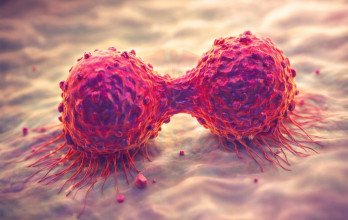

The Department of Oncology offers high-precision diagnostics and comprehensive treatment of oncological diseases, including palliative care for patients with terminal stages of malignancies.
Details →
Deteriorations in the liver function can be detected with the help of biochemical blood test. The following techniques help to diagnose liver cancer:
Details →
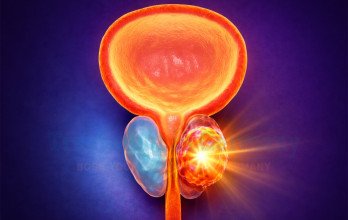
In Germany, prostate cancer is treated in large multidisciplinary university hospitals with urology and oncology departments, as well as specialized centers of prostate cancer treatment.
Details →
Cervical cancer is the second most common cancer among women under 45 years old. The most common cause of its development is human papillomavirus (HPV), due to which the tumor can appear at any age.
Details →
Thyroid cancer develops in your thyroid gland, a part of your endocrine system. Your thyroid gland produces hormones that regulate body temperature, heart rate and metabolism
Details →
Germany has become a global leader in cancer treatment, transforming many oncological diseases from terminal to manageable conditions.
Details →
Throat cancer refers to malignant tumors that develop in the pharynx, larynx, or tonsils. These areas play a crucial role in speaking, swallowing, and breathing.
Details →
Today, one of the main goals of medical research is the development of effective methods for cancer treatment.
Details →
The standard approach to the treatment of metastatic bladder cancer involves systemic chemotherapy with two or four drugs, which can increase a person's life expectancy by several months.
Details →
Surgery is the main treatment option for breast cancer. The aim of the intervention is to remove the primary tumor completely.
Details →
Skin cancer is a disease that involves the growth of abnormal cells in your skin tissues. Normally, as skin cells grow old and die, new cells form to replace them.
Details →
Nasopharyngeal cancer (NPC), also known as nasopharyngeal carcinoma, is a rare type of head and neck cancer.
Details →
“Salivary gland cancer” is a term used to describe malignant tumors that affect your salivary glands. Your salivary glands are located in your mouth and throat
Details →
Vaginal cancer is a rare form of cancer that most often occurs in the cells lining your vagina.
Details →
Testicular cancer forms when malignant (cancer) cells develop in the tissues of one or (less commonly) both testicles.
Details →
With stomach cancer — also called gastric cancer — cancer cells grow out of control in your stomach. Cancer can form anywhere in your stomach.
Details →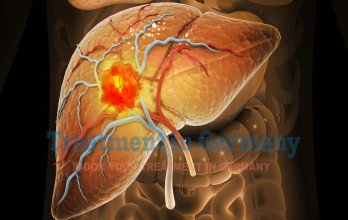
Liver cancer is a life-threatening malignant (cancerous) tumor in your liver. Your liver is the largest organ in your body.
Details →
Lung cancer is a disease caused by uncontrolled cell division in your lungs. Your cells divide and make more copies of themselves as a part of their normal function.
Details →
A brain tumor is an abnormal growth or mass of cells in or around your brain. Together, spinal tumors and brain tumors are called central nervous system (CNS) tumor
Details →
Our benefits:

.webp)
 (1).webp)

.webp)
 (1).webp)

.jpg)