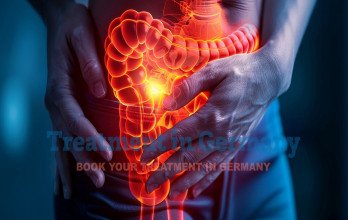
Colon (colorectal) cancer starts in your colon (large intestine), the long tube that helps carry digested food to your rectum and out of your body.
Details →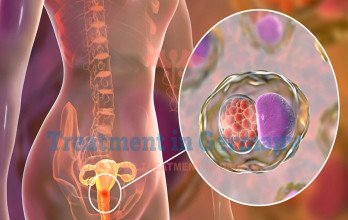
Cervical cancer is cancer that begins on the surface of your cervix. It happens when the cells on your cervix start to change to precancerous cells.
Details →
Esophageal cancer — or esophageal cancer, depending on where you live — is the 10th most common cancer in the world.
Details →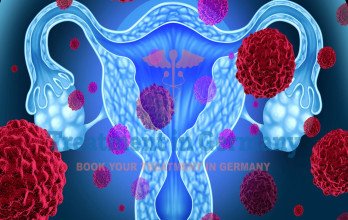
Ovarian cancer occurs when abnormal cells in your ovaries or fallopian tubes grow and multiply out of control
Details →
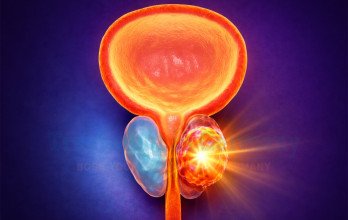
Prostate cancer develops in the prostate, a small walnut-shaped gland located below the bladder and in front of the rectum in males.
Details →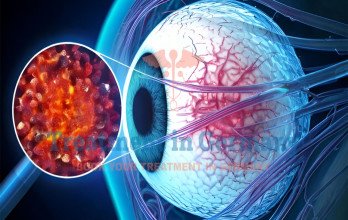
Eye cancers start in the cells inside your eyeball and in nearby structures, like your eyelids and tear ducts.
Details →
Gallbladder cancer is a rare form of cancer that often doesn’t cause signs or symptoms in the early stages.
Details →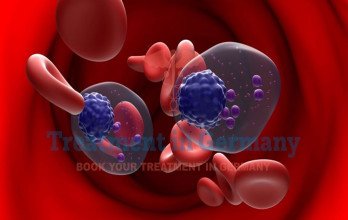
Multiple myeloma happens when healthy plasma cells become abnormal cells that multiply and produce abnormal antibodies.
Details →
“Bone cancer” is the term for several different cancers that develop in your bones.
Details →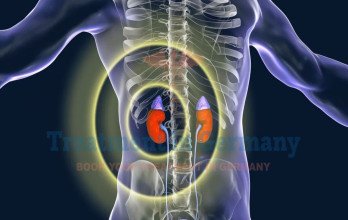
Adrenal cancer occurs when cells in your adrenal glands mutate (change) and grow, forming a tumor.
Details →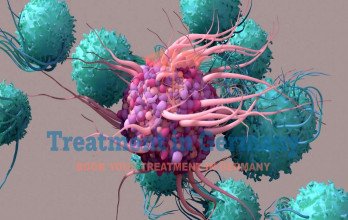
Dendritic cell therapy (DCT) are considered as professional antigen presenting cells (APCs), containing a variety of subsets, that can be resident in organs or migrating among the lymphoid and non-lymphoid organs.
Details →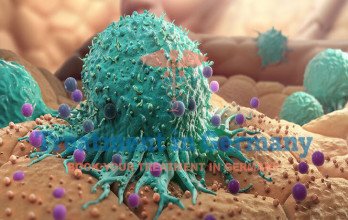
Cancer prevention can be achieved by avoiding risk factors, eating healthy, exercising, and getting vaccinated
Details →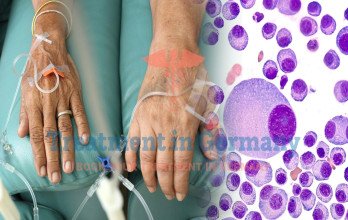
Multiple myeloma happens when healthy plasma cells become abnormal cells that multiply and produce abnormal antibodies.
Details →
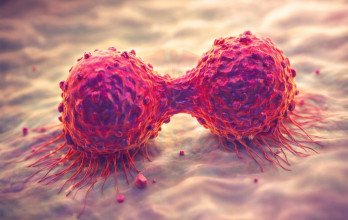
This is a general overview of what cancer is, what causes it, how healthcare providers treat it and how you can take care of yourself throughout your journey.
Details →
Vaginal cancer is a rare form of cancer that most often occurs in the cells lining your vagina
Details →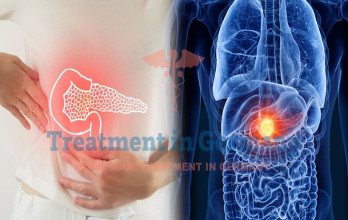
Pancreatic cancer symptoms include nausea, bloating, fatigue, jaundice and lack of appetite. Treatments include surgery, chemotherapy and radiation therapy.
Details →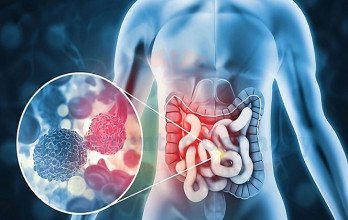
Alternative Title: Cutting-Edge Stage 4 Colon Cancer Treatment in Germany: A Beacon of Hope
Details →
Primary peritoneal cancer (PPC) is a rare cancer. It starts in the thin layer of tissue lining the inside of the abdomen. This tissue lining is called the peritoneum.
Details →
Parathyroid cancer is a rare cancer that develops in the tissue of a parathyroid gland. It’s commonly treated with surgical removal of your parathyroid gland.
Details →
Our benefits:
.webp)
 (1).webp)
.webp)
 (1).webp)
.jpg)