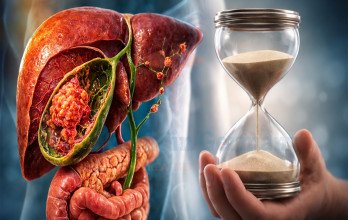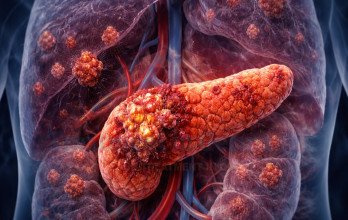

Stage 4 lung cancer survival explained with immunotherapy and advanced treatment options in Germany for international patients through Treatment in Germany (TIG).
Stage 4 lung cancer is diagnosed when cancer that begins in the lungs spreads to distant organs such as lung cancer with liver metastases, bones, brain, or other parts of the body. At this stage, the disease is considered metastatic and requires comprehensive treatment planning rather than localized therapy alone. Many patients search online to understand the survival rate for stage 4 lung cancer with immunotherapy, especially as immune-based treatments have significantly changed the management of advanced lung cancer in recent years. Survival outcomes vary widely and cannot be defined by a single statistic because they depend on tumor biology, metastatic spread, treatment response, and overall patient health. Understanding realistic expectations and the best stage 4 lung cancer treatment strategies helps patients and families make informed decisions.
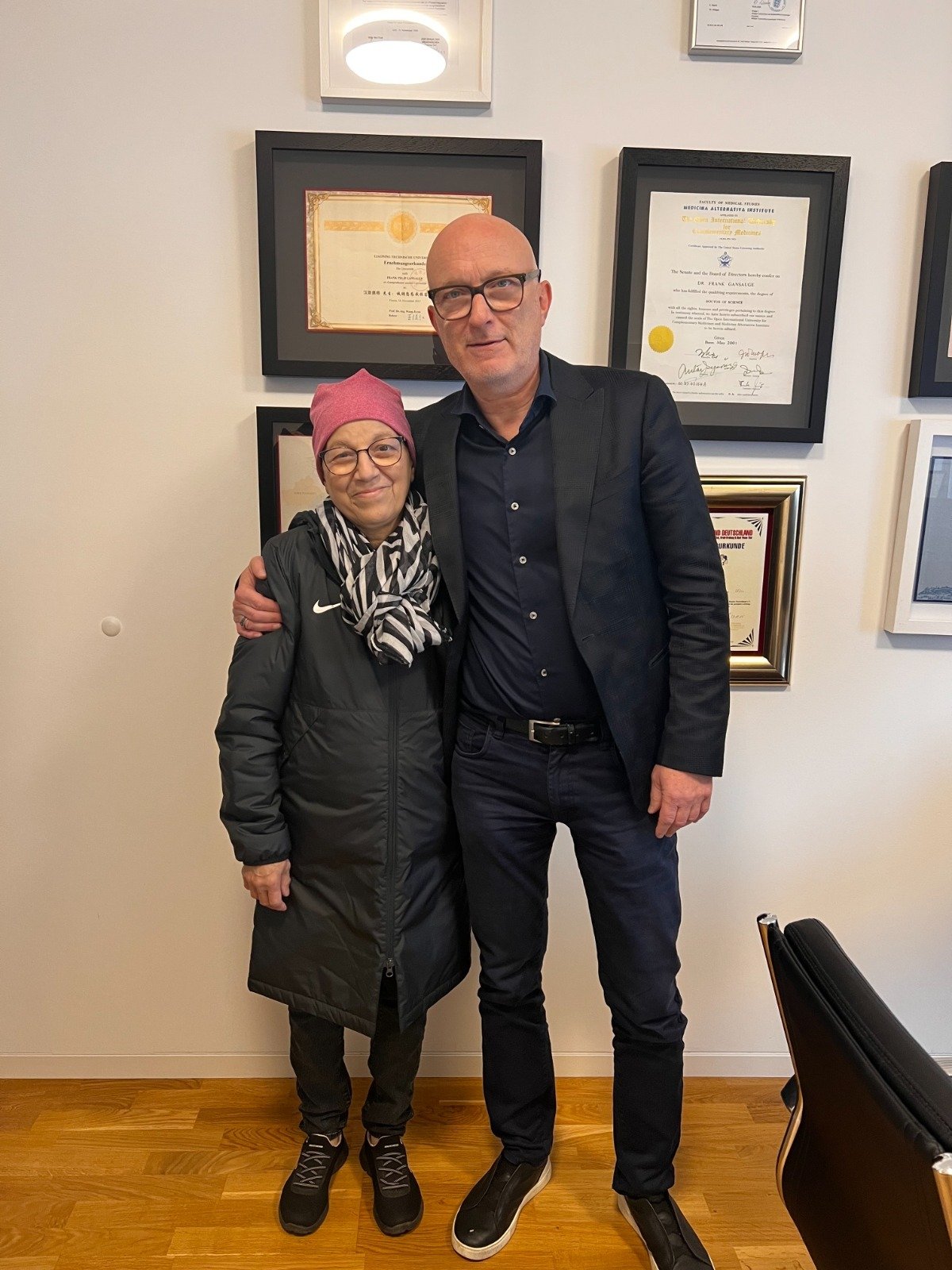
Germany has become a leading destination for individuals exploring new and innovative treatment options for advanced lung cancer in Germany. Treatment planning takes place within specialized German healthcare centers and German oncology centers where diagnostic findings and treatment strategies are reviewed collectively. Immune-based approaches are associated with Prof. Gansauge, recognized for his work in cellular immunotherapy. Many international patients seek evaluation from experienced German specialists because of the availability of the latest medical technology and structured treatment pathways offering affordable treatment in Germany for international patients.

Stage 4 lung cancer occurs when cancer cells spread from the lungs to distant organs through the bloodstream or lymphatic system. This stage is often referred to as metastatic lung cancer because the disease is no longer confined to the lungs. The presence of metastases means treatment must target both the primary lung tumor and secondary tumor sites.
The survival rate for stage 4 lung cancer with immunotherapy depends on multiple medical factors. Tumor genetics, the number of metastatic sites, response to therapy, and overall organ function all influence outcomes. Some patients respond well to modern innovative therapies and experience longer disease stabilization, while others may require multiple treatment strategies to control tumor growth. Physicians emphasize individualized evaluation rather than relying solely on general survival statistics.
Early Signs and Symptoms
Recognizing early signs of lung cancer can support earlier medical evaluation, although many patients are diagnosed only after the disease has progressed. Persistent cough, shortness of breath, chest discomfort, and unexplained weight loss are common early indicators that require medical assessment.
As the disease advances, symptoms may become more pronounced. Patients may experience fatigue, coughing up blood, or persistent chest pain. When metastasis occurs, symptoms may also appear in other organs depending on the location of spread. These warning signs typically prompt imaging studies and further diagnostic evaluation.
Diagnostic Evaluation for Stage 4 Lung Cancer
Accurate diagnosis is essential before selecting a treatment plan. Physicians begin with a clinical examination, medical history review, and laboratory tests to evaluate overall health status. Imaging methods such as CT, MRI, and PET scans are then used to determine tumor size and detect metastatic spread.
In Germany, diagnostic evaluation is supported by the latest medical technology, allowing physicians to obtain highly detailed imaging and precise staging information. These results are reviewed by German oncology centers, ensuring coordinated treatment planning. Advanced imaging helps determine whether metastasis has occurred and supports individualized therapy decisions.
Immunotherapy for Advanced Lung Cancer
Immunotherapy for advanced lung cancer has become an important part of modern oncology treatment strategies. Unlike chemotherapy, which directly attacks rapidly dividing cells, immunotherapy works by stimulating the patient’s immune system to recognize and attack cancer cells. This approach aims to restore immune surveillance that tumors often suppress.
In selected patients, immunotherapy can slow tumor progression and improve disease control. Some individuals may benefit from symptom relief and stabilization of tumor growth. These outcomes depend on tumor characteristics and immune system function.

Among immune-based strategies, the dendritic cell vaccine approach is designed to enhance immune recognition of cancer cells. Dendritic cells are essential components of the immune system responsible for presenting tumor antigens to T-cells. By strengthening this process, dendritic cell therapy aims to support immune responses against advanced lung cancer.
The treatment begins with the collection of immune cells (monocytes) from the patient’s blood under medical supervision. These cells are carefully isolated in a controlled clinical environment to maintain viability and biological integrity before laboratory processing.
The collected cells are transferred to an EU GMP certified laboratory, where they are cultured under strictly regulated conditions. During this process, the monocytes are exposed to tumor-associated antigens derived from lung cancer cells. This exposure stimulates their development into active dendritic cells capable of presenting cancer markers to the immune system. Extensive sterility and quality testing are performed before the therapy is approved for administration.
Once prepared, the cells are administered back to the patient as a personalized dendritic cell vaccine. This treatment may be integrated with systemic therapy depending on the recommendation of the treating physician. Continuous monitoring helps evaluate immune response and treatment tolerance. Dendritic cell therapy remains investigational and is considered in highly selected patients within regulated clinical programs. The cost of Dendritic Cell Therapy in Germany is €27,000, covering immune cell collection, laboratory preparation, and administration.
Interventional Procedures for Metastatic Lung Cancer
In some cases, localized treatment may be considered for metastatic lesions. When tumors spread to organs such as the liver, interventional oncology procedures may help control dominant tumor sites. These strategies may be evaluated as part of a broader lung metastasis treatment approach.
Interventional procedures focus on controlling tumor growth in specific areas while systemic therapies address cancer throughout the body. Multidisciplinary evaluation within German healthcare centers ensures that these therapies are used appropriately depending on tumor location and patient health.
Managing Side Effects during Lung Cancer Treatment
Cancer treatment may sometimes produce temporary physical reactions as the body responds to therapy. Understanding Side effects of lung cancer treatment is an important part of patient education and treatment planning. Side effects vary depending on the therapy used and the patient’s overall condition.
Common reactions may include fatigue, nausea, or immune-related symptoms when immunotherapy is used. Physicians monitor patients closely and adjust treatment strategies when necessary to ensure safety and tolerance. Proper supportive care helps patients maintain strength and quality of life during treatment.
Patients with advanced disease may be evaluated for new clinical trials for Advanced Lung Cancer in Germany. These clinical trials investigate emerging therapies including next-generation immunotherapies and targeted treatments designed to improve disease control.
Clinical research programs follow international standards referenced by the Canadian Cancer Society, ensuring patient safety and ethical oversight. Eligibility for clinical trials requires detailed evaluation within accredited oncology institutions.

Limitations and Considerations
Not every patient is suitable for immune-based or interventional therapies. Suitability depends on tumor spread, immune system status, organ function, and overall clinical stability. In some situations systemic therapy or supportive treatment may remain the most appropriate approach.
Continuous monitoring using CT, MRI, and PET scans is essential to evaluate treatment response by the treating physician and detect disease progression. Management focuses on stabilizing the disease, relieving symptoms, and preserving quality of life rather than guaranteeing cure.
International Patient Support through TIG
For international patients, planning Stage 4 lung cancer treatment abroad can involve multiple challenges, including medical report review, hospital coordination, scheduling, travel planning, lodging, and documentation. These steps can be difficult for families already under stress. That is why structured support becomes essential. TIG (Treatment in Germany) at www.treatmentingermany.de ensures seamless coordination and manages complete logistical arrangements for international patients, including travel, lodging, and medical visa for international patients (if required). This support helps patients focus on treatment rather than administrative challenges.
Patients may also get a free consultation with TIG (Treatment in Germany) to receive individualized guidance and coordinated access to specialized oncology centers.
🌍Why Patients Worldwide Prefer Our Medical Services in Germany – Key Benefits Explained:


Survival varies depending on tumor spread, treatment response, and patient health.
Early signs of lung cancer may include persistent cough, chest discomfort, and shortness of breath.
Immunotherapy for advanced lung cancer stimulates the immune system to recognize and attack cancer cells.
Some patients may qualify for new clinical trials for Advanced Lung Cancer in Germany.
Not all patients are suitable candidates for immunotherapy. Eligibility depends on tumor markers, immune status, and overall health condition evaluated by the treating physician.
Common side effects may include fatigue, skin reactions, mild fever, or immune-related inflammation. These reactions are monitored closely during treatment.
Eligibility depends on immune competence, tumor characteristics, and overall clinical stability.
Yes, dendritic cell therapy may be integrated with other treatments such as chemotherapy or targeted therapy. Combination strategies depend on the patient’s treatment plan.
Yes. International patients can access innovative treatments for lung cancer in Germany, with full logistical coordination provided by TIG (Treatment in Germany) www.treatmentingermany.de covering appointments, travel, medical visa assistance (if needed), and follow-up care.
Kindly complete the form below, and our dedicated team will reach out to you promptly. We look forward to connecting with you soon!
Trierer Straße, 56072 Koblenz, Germany

Our benefits:
.webp)
 (1).webp)

.webp)
 (1).webp)