
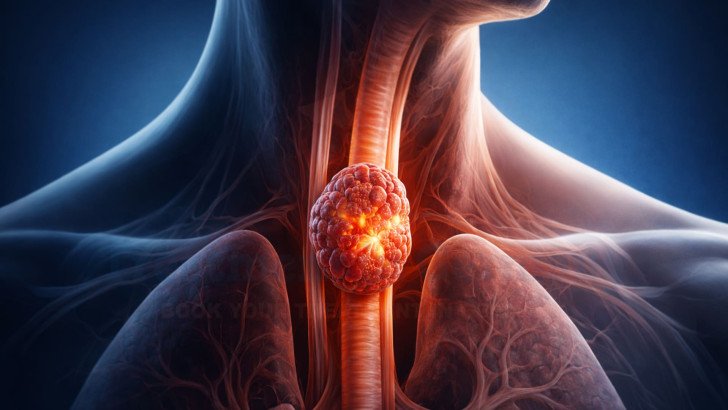
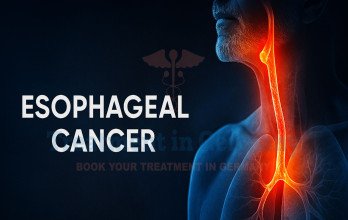
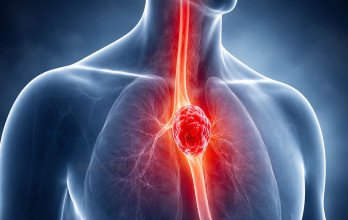
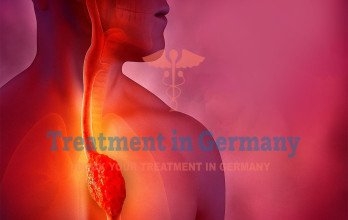
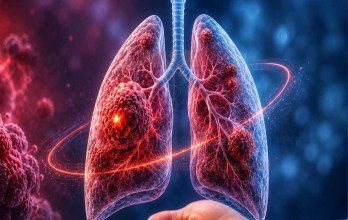
Esophageal cancer is a serious condition that develops in the inner lining of the esophagus, affecting the normal passage of food from the mouth to the stomach and gradually interfering with swallowing and digestion.
Esophageal Cancer Treatment Options in Germany
With improvement in modern medicine, patients today can access personalized esophageal cancer treatment options in Germany, which are designed to address the disease based on individual condition, stage, and overall health. The disease often begins with slight early symptoms, such as mild swallowing difficulty, persistent heartburn, or a sensation of food getting stuck, which may slowly progress into more noticeable esophageal cancer symptoms over time.
As the condition advances, patients may experience unexplained weight loss, fatigue, chest discomfort, and worsening esophagus blockage symptoms, all of which can significantly impact nutrition and daily life. Because these early signs are often mild and easily ignored, diagnosis may be delayed until the disease has progressed further. This makes early recognition and timely medical evaluation extremely important, as it allows patients to access appropriate esophageal cancer treatment at the right stage and explore effective care strategies aimed at controlling disease progression and improving quality of life.
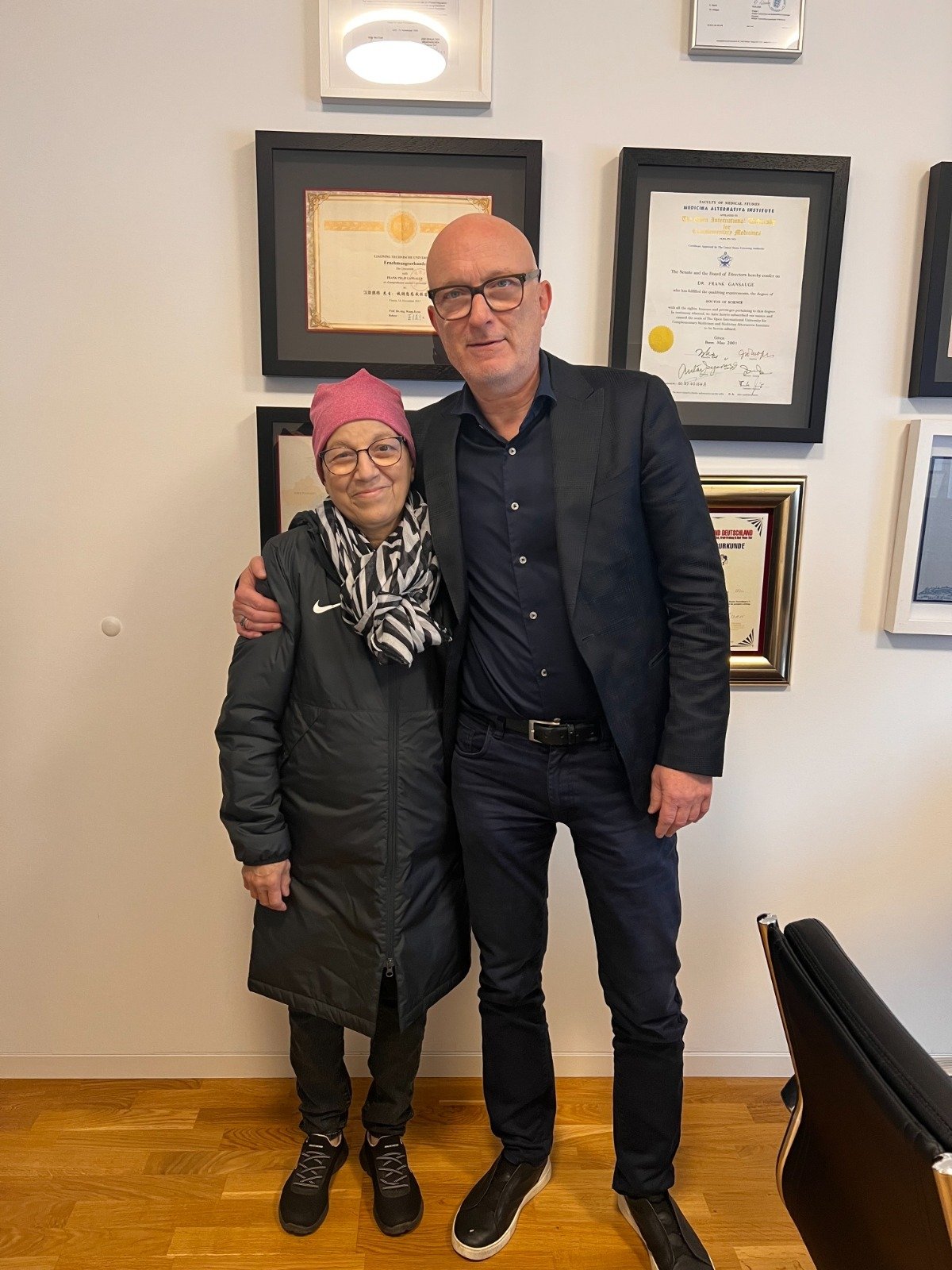
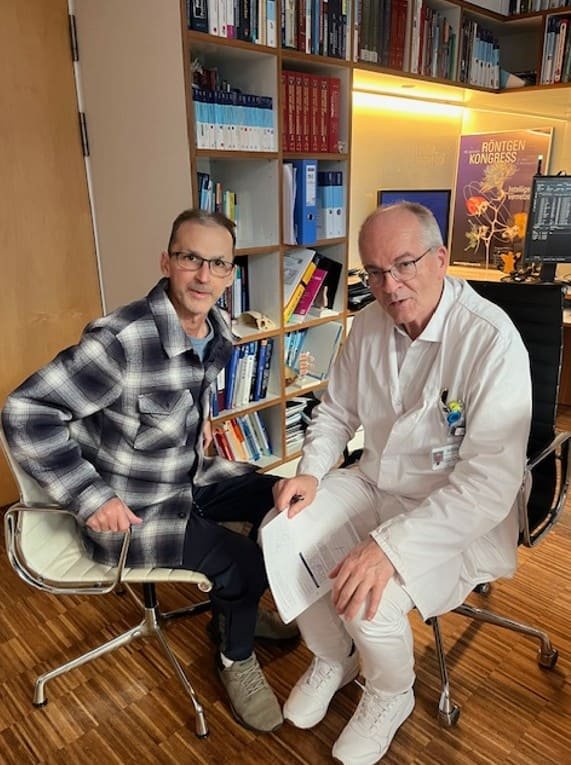
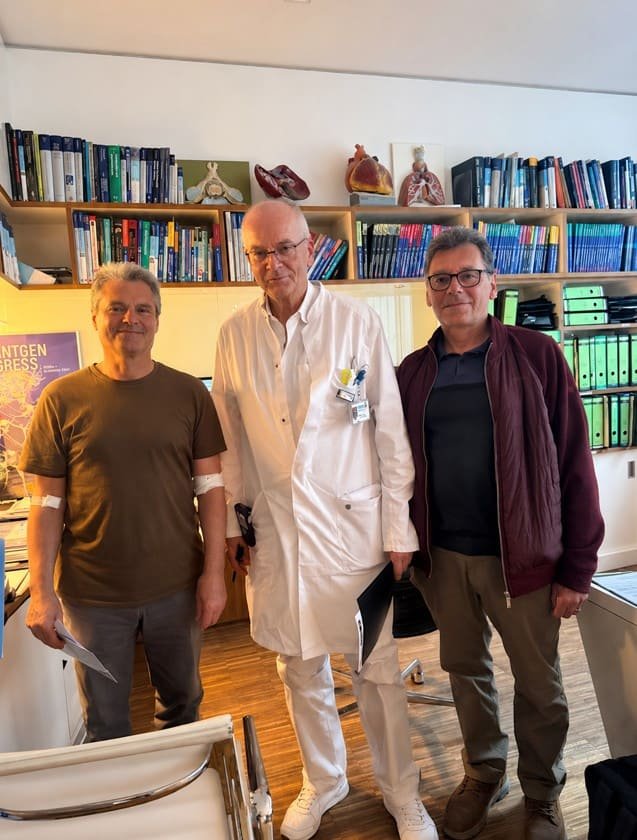
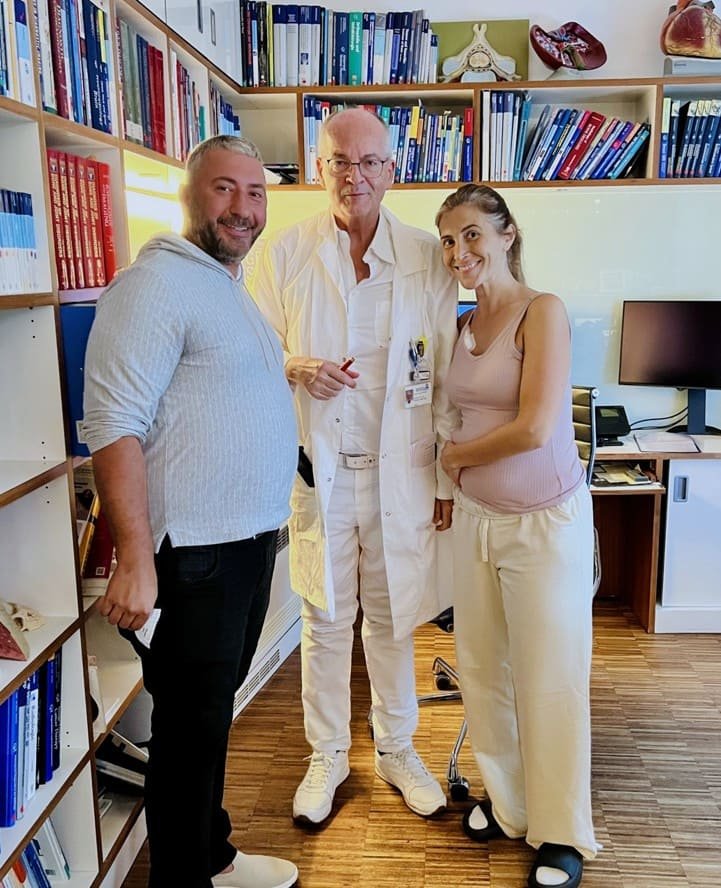
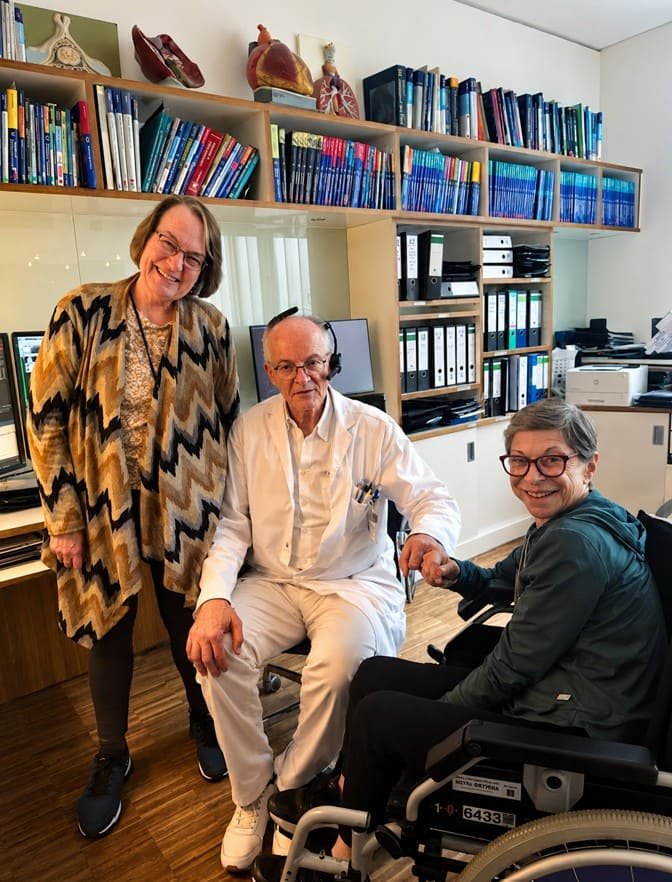
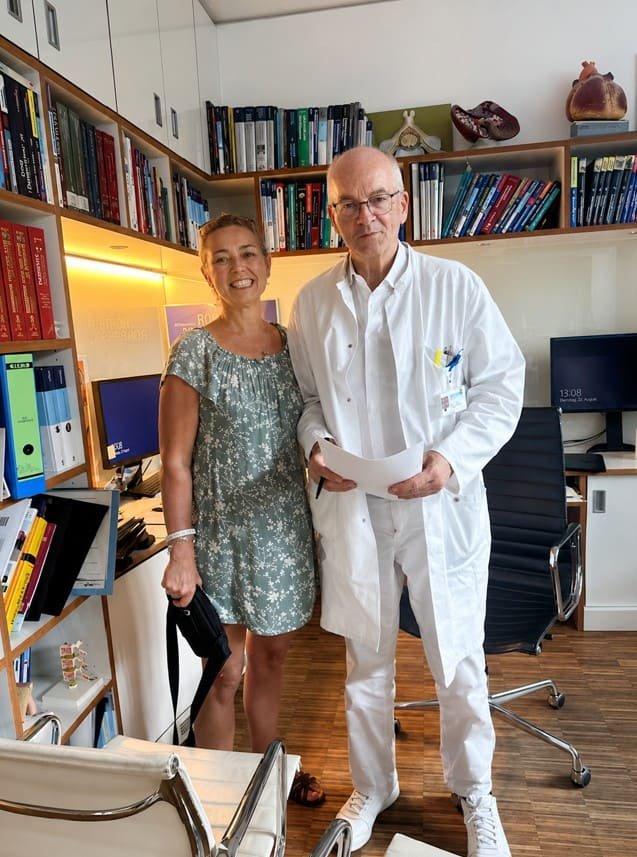
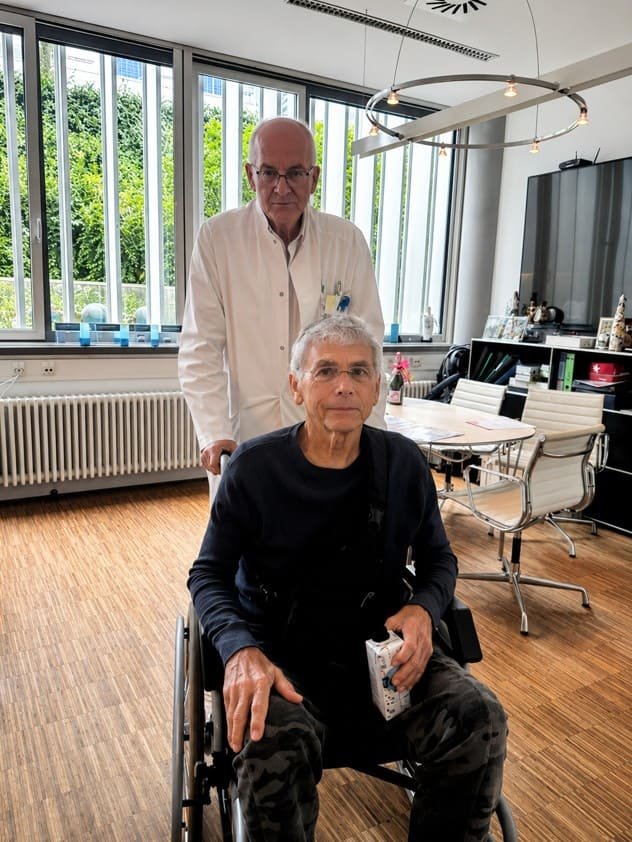
Germany is recognized for providing advanced and structured cancer treatment in Germany, supported by leading German cancer clinics and multidisciplinary expertise. Patients benefit from access to modern diagnostics and innovative therapies under specialists such as Prof. Vogl, expert in interventional cancer therapies, and Prof. Gansauge, specialist in dendritic cell-based immune therapies. For many international patients, Germany offers access to new treatment for esophageal cancer in 2026, combining standard and advanced approaches to expand available esophageal cancer treatment options.

Types of Esophageal Cancer and Their Clinical Differences
Understanding the different types of esophageal cancer is important for selecting the most appropriate treatment strategy. The two primary forms include adenocarcinoma and squamous cell carcinoma, each occurring from different cells and influenced by different risk factors.
Adenocarcinoma esophageal cancer is often linked with long-term acid exposure, commonly linked to acid reflux cancer, while squamous cell carcinoma develops from (esophageal squamous) cells. These differences influence how the tumor behaves and determine which esophageal cancer treatment option is most effective for each patient.
What is Stage 4 Esophageal Cancer and Disease Spread
Stage 4 esophageal cancer is the most advanced stage, where cancer has spread beyond the esophagus to distant organs. Understanding where does esophageal cancer spread to is important, as it commonly affects the liver, lungs, or lymph nodes, making treatment more complex and requiring systemic approaches.
In this stage, stage 4 esophageal cancer treatment focuses on controlling disease spread, relieving symptoms, and improving quality of life. While the esophageal cancer survival rate varies depending on individual response and health condition, modern therapies have improved disease management and patient outcomes.
Symptoms and Early Warning Signs of Esophageal Cancer
Recognizing early symptoms of esophageal cancer can help detect the disease at an earlier stage. Initial symptoms may include mild swallowing difficulties, persistent heartburn, or discomfort while eating, which are often overlooked but should not be ignored.
As the disease spread, more severe symptoms may develop, including esophagus blockage, unexplained weight loss, and chest discomfort. Awareness of these signs of esophageal cancer is important for early diagnosis and timely intervention.
Advanced Diagnosis and Tools Used to detect Esophageal Cancer
Accurate diagnosis plays an important role in planning effective esophageal cancer treatment. In Germany, advanced diagnostic tools such as endoscopy, endoscopic ultrasound, biopsy, blood work, CT scans, PET scans, and MRI are used to evaluate tumor size, location, and spread with high precision.
These technologies allow doctors to determine the most suitable esophageal cancer treatment option and create personalized treatment plans. Early and accurate diagnosis significantly improves treatment outcomes and helps guide therapy decisions.
Standard Esophageal Cancer Treatment Options in Germany
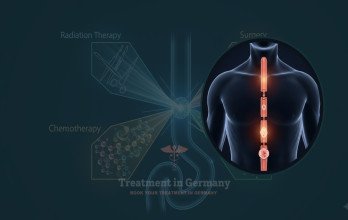
Standard esophageal cancer treatment typically includes surgery, chemotherapy, and radiation therapy, depending on the stage of the disease. In early stages, treatment may involve surgical removal of the tumor, often followed by additional therapies to reduce recurrence risk.
For advanced cases, chemotherapy for esophageal cancer is commonly used to slow tumor growth and manage symptoms. Similarly, radiation therapy for esophageal cancer helps shrink tumors and improve swallowing difficulties, although patients may experience radiation therapy side effects, such as fatigue or irritation.
TACE Therapy for Esophageal Cancer in Germany

What is TACE?
TACE therapy is a minimally invasive, image-guided interventional oncology approach used in advanced cases of esophageal cancer, particularly when the disease has spread to nearby organs such as esophageal with liver metastases. It is considered an important part of stage 4 esophageal cancer treatment, especially in situations where localized tumor control is required alongside systemic therapies like chemotherapy or immunotherapy. This technique is performed in some of the medical clinics, where experienced specialists use advanced imaging systems to ensure precision and safety. By targeting the tumor directly, TACE helps block tumor activity, control symptoms, and support overall disease management in complex cases.
How TACE Works?
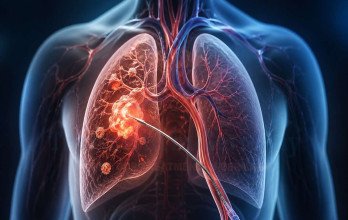
The TACE procedure involves inserting a thin catheter through blood vessels, usually guided by imaging techniques. Once positioned near the tumor, chemotherapy drugs are delivered directly to the cancer site while simultaneously blocking its blood supply. This dual action helps concentrate the treatment within the tumor and limits exposure to surrounding healthy tissues. As a result, it becomes an effective addition to modern esophageal cancer treatment particularly for patients who may not respond fully to conventional therapies.
The cost of TACE Treatment in Germany typically ranges between €8,000 and €9,000 per session. This therapy is often integrated into broader treatment plans to improve outcomes, and studies have shown a promising TACE success rate for metastatic esophageal cancer in selected patients when combined with other therapies. It not only helps in slowing disease progression but also contributes to symptom relief and improved quality of life, making it a valuable option in advanced-stage care.
TACE Therapy Side Effects and Patient Considerations
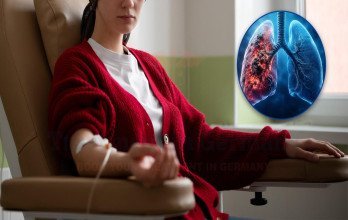
Patients undergoing TACE may experience certain TACE therapy side effects, which are usually temporary and manageable. Common effects include fatigue, mild abdominal discomfort, low-grade fever, or nausea following the procedure. These symptoms typically resolve within a few days with supportive care.
Treating physicians carefully evaluate each patient before recommending this therapy to ensure suitability and minimize risks. When performed in specialized clinics, TACE is generally well tolerated and plays an important role in advanced esophageal cancer treatment.
Immunotherapy Dendritic Cell Therapy for Esophageal Cancer

Dendritic cell therapy in Germany is an advanced form of cancer immune therapy that focuses on activating the body’s natural defense system to recognize and respond to cancer cells more effectively. It is considered an important option and is increasingly used as part of new esophageal cancer treatment. This approach represents one of the most promising and innovative immunotherapy options for esophageal tumors, especially for patients seeking alternatives beyond conventional treatments.
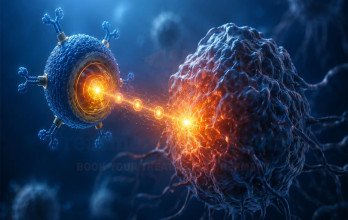
The treatment begins with the collection of immune cells (monocytes) from the patient’s blood through a controlled medical procedure. These cells are then processed in an EU-GMP certified laboratory, where they are transformed into a personalized dendritic cell vaccine designed to recognize tumor-specific markers. Once prepared, the vaccine is reintroduced into the patient’s body, where it stimulates a targeted immune response against cancer cells, supporting a more precise and personalized cancer treatment approach.
The cost of Dendritic Cell Therapy in Germany is approximately €27,000. This therapy is included among latest treatment for esophageal cancer in 2026, offering a tailored option for patients with advanced disease. It can be integrated with other therapies to improve overall outcomes, helping control disease progression while enhancing quality of life through a patient-specific treatment strategy.
Possible Side Effects of Dendritic Cell Therapy in Esophageal Cancer
Dendritic cell therapy is generally well tolerated, with mild and manageable side effects. Patients may experience temporary fatigue, low-grade fever, or slight discomfort at the injection site following treatment.
These side effects are typically short-lived and indicate immune system activation. As part of advanced esophageal cancer treatment, this therapy provides a safe and personalized option for patients seeking innovative care.
Scientific Background and Survival Insights of Dendritic Cell Therapy in Esophageal Cancer
Dendritic cell-based immunotherapy plays an important role in enhancing anti-tumor immune response in esophageal cancer by activating T-cells and improving tumor recognition. Studies show that dendritic cell dysfunction is strongly associated with tumor progression, while higher dendritic cell activity correlates with improved survival outcomes. Research evaluating tumor-infiltrating dendritic cells demonstrated a significant association with better overall survival (p = 0.003), highlighting their prognostic value in esophageal cancer.
In advanced disease, including stage 4 esophageal cancer, dendritic cell-related immune responses have also shown clinical relevance. Studies analyzing tumor microenvironment interactions found that closer interaction between dendritic cells and tumor cells was associated with improved overall survival and progression-free survival (p < 0.05), particularly when combined with chemoradiotherapy or immunotherapy.
Additionally, molecular research has identified gene signatures linked to dendritic cell dysfunction that significantly predict survival outcomes in esophageal cancer patients (p ≤ 0.05), supporting the role of immune-based therapies as part of modern treatment strategies.
References (Open Access)
Prognosis of Esophageal Cancer
The prognosis of esophageal cancer depends on several factors, including the stage at diagnosis, tumor type, and overall health of the patient. Early-stage disease generally has better outcomes, while advanced conditions like stage 4 require more detailed management.
With modern esophageal cancer treatment options in Germany, including targeted therapies and immunotherapy, outcomes have improved in recent years. While advanced stages may focus more on disease control, timely and personalized treatment can help improve survival and quality of life.
Combination Therapies for Advanced Esophageal Cancer in Germany
Combination therapies are widely used to improve outcomes in advanced cancer cases. By integrating chemotherapy, radiation, targeted therapy, and immunotherapy, treating physicians can address cancer from multiple angles and enhance treatment effectiveness.
In Germany, specialists design personalized plans using advanced esophageal cancer treatment options, ensuring that each patient receives a balanced and detailed approach to treatment.
New Clinical Trials for Esophageal Cancer in Germany: Latest Research and Treatment Advances
Germany continues to advance cancer care through structured clinical research programs. These new clinical trials for Esophageal Cancer in Germany focus on exploring innovative therapies, targeted approaches, and combination treatments designed to improve patient outcomes. These trials are conducted in highly regulated environments, ensuring both scientific progress and patient safety.
Eligible patients from UK or USA can participate in these studies under strict medical supervision, gaining access to emerging therapies that may not yet be widely available. This provides an opportunity to explore advanced treatment options while receiving care within established medical protocols, maintaining high standards of safety, monitoring, and clinical support throughout the treatment journey.
Limitations and Considerations for Esophageal Cancer Treatment
Treatment suitability depends on disease stage, tumor type, and overall health condition. Not all therapies are appropriate for every patient, and careful evaluation is necessary before selecting a treatment plan.
The goal of treatment is often to control disease progression and improve quality of life. Understanding realistic expectations helps patients make informed decisions throughout their care journey.
Related Blogs:
- TACE Treatment for Esophageal Cancer Patients in Germany
- Esophageal Cancer Treatment: Complete Guide to Modern Therapy Options 2026
- Stage 4 Esophageal Cancer Treatment in Germany and Life Expectancy
- Understanding Stage 4 Esophageal Cancer in Germany
- Advanced Stage 4 Esophageal Cancer Symptoms
- Stage 4 Esophageal Cancer Treatment Options in Germany
International Patient Support through Treatment in Germany (TIG)
Treatment in Germany (TIG) provides structured and reliable support for patients traveling from abroad to receive advanced medical care. The service includes appointment coordination, detailed medical documentation review, and direct communication with leading healthcare providers to ensure that each case is properly evaluated before treatment begins. This organized approach helps patients access the most suitable therapies without unnecessary delays or confusion.
In addition to medical coordination, TIG also assists with complete logistical aspects such as travel planning, and ongoing support throughout the treatment journey. This ensures that international patients experience a smooth, well-managed process from initial consultation to follow-up care. Patients can request free initial consultation to understand available options and receive direction tailored to their specific condition.
Patients may also request a free consultation with TIG (Treatment in Germany) to receive individualized guidance and coordinated access to specialized oncology centers.
🌍Why Patients Worldwide Prefer Our Medical Services in Germany – Key Benefits Explained:






.webp)
 (1).webp)
.webp)
.jpg)
 (1).webp)
.jpg)