
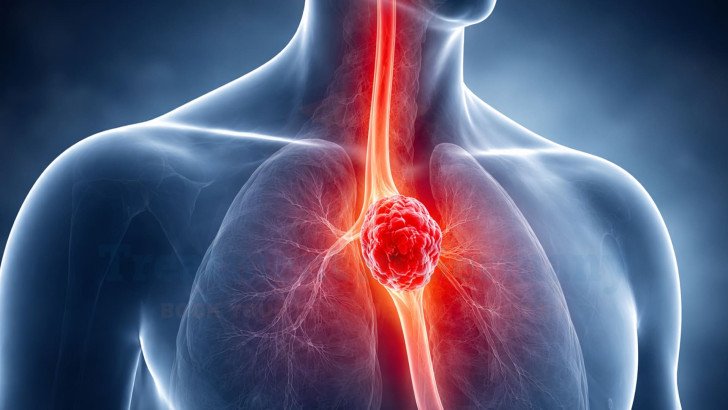
Esophageal cancer is a complicated condition that develops in the lining of the esophagus and can significantly affect swallowing and digestion as it spread
TACE Treatment for Esophageal Cancer Patients in Germany
Many patients initially experience subtle early signs of esophageal cancer, such as mild discomfort while eating or trouble swallowing, which may gradually worsen over time. Exploring the right esophageal cancer treatment option at an early stage is important, as it allows patients to access advanced treatment through German healthcare clinics and benefit from targeted treatments for esophageal cancer designed to improve outcomes and quality of life.
In advanced stages, when standard therapies alone may not provide sufficient control, interventional approaches like TACE become important. The TACE procedure for advanced esophageal tumors in Germany is part of innovative therapies and reflects the new treatment for esophageal cancer in 2026, focusing on precise tumor targeting and improved disease management. Germany is known for offering such treatments within structured care systems supported by latest medical technology for esophageal cancer patients, ensuring precision and safety. Specialists such as Prof. Vogl, expert in embolization therapies, play a key role in delivering these advanced procedures.
For many individuals, especially international patients, Germany provides access to advanced treatment strategies that combine expertise with modern facilities. TACE is often combined into broader care plans as part of the treatment of esophageal cancer by stage, offering additional hope for esophageal cancer patients who require targeted and minimally invasive options to manage their condition effectively.
Types of Esophageal Cancer and Their Clinical Relevance
Understanding the types of esophageal cancer is important before selecting any treatment approach. The two main types include adenocarcinoma and squamous cell carcinoma, both of which differ in origin and behavior.
Adenocarcinoma is often associated with long-term acid reflux, while squamous cell carcinoma develops from the inner lining cells of the esophagus. These differences influence how the disease spread and determine the most suitable treatment of esophageal cancer by stage, including whether interventional therapies like TACE may be beneficial in advanced cases.
Understanding the TACE Procedure for Advanced Esophageal Cancer in Germany
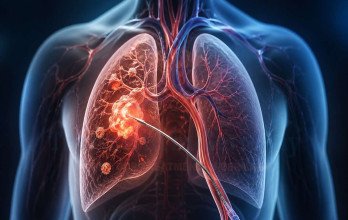
The TACE procedure for advanced esophageal cancer is a minimally invasive technique designed to deliver chemotherapy directly to the tumor while restricting its blood supply. This approach is particularly useful in advanced or metastatic cases where localized tumor control is required.
As part of advanced cancer treatment, TACE helps concentrate therapeutic agents at the tumor site while minimizing systemic exposure. It is often performed in specialized centers known for conducting the best medical clinics for TACE procedure, ensuring accuracy and safety through advanced imaging technologies.
Step-by-Step Process of TACE Treatment for Esophageal Cancer

Step 1: Pre-Treatment Evaluation and Imaging
Before the procedure, patients undergo detailed imaging tests such as endoscopic ultrasound, biopsy, blood work CT or MRI scans to locate the tumor and assess its blood supply. This step is crucial in planning the TACE treatment approach and determining suitability for TACE.
Step 2: Catheter Insertion and Navigation
A small catheter is inserted through a blood vessel, usually in the groin, and guided toward the tumor using real-time imaging. This precise navigation ensures that the treatment reaches the exact tumor location without affecting surrounding tissues.
Step 3: Delivery of Chemotherapy Agents
Once the catheter is positioned, chemotherapy drugs are delivered directly into the tumor. This targeted approach increases treatment concentration at the cancer site, improving effectiveness while reducing systemic side effects.
Step 4: Embolization of Tumor Blood Supply
After drug delivery, embolic agents are introduced to block the blood supply feeding the tumor. This step enhances the effect of chemotherapy and is a key component of TACE procedure, helping to slow tumor growth.
Step 5: Post-Procedure Monitoring and Recovery
After the treatment, patients are closely monitored for recovery and response. Follow-up imaging is conducted to evaluate the effectiveness of the therapy and determine if additional sessions are required.
Cost of TACE Therapy for Esophageal Cancer in Germany
The Cost of TACE therapy for esophageal cancer in Germanytypically ranges between €8,000 and €9,000 per session. This cost reflects the use of advanced imaging systems, specialized expertise, and high-quality care provided in German clinics.
The number of sessions varies depending on tumor response and disease progression. TACE is often included as part of a broader treatment plan to enhance outcomes and provide better disease control.
Side Effects and Complications of TACE Treatment
Like any medical procedure, certain side effects and complications are also involved in of TACE treatment, although they are generally manageable. Patients may experience fatigue, mild pain, nausea, or temporary fever following the procedure.
These effects are usually short-lived and can be managed with supportive care. When performed in specialized clinics using latest medical technology for esophageal cancer patients, TACE is considered a safe and well-tolerated option.

Combined Therapy Options: TACE plus Immunotherapy in Germany
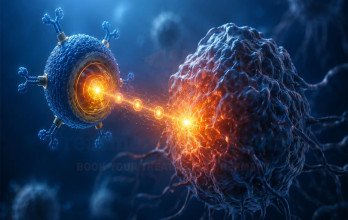
Modern cancer treatment often involves combining different approaches to improve outcomes, especially in advanced disease. Combined therapy options TACE plus immunotherapy are increasingly used to enhance treatment effectiveness in esophageal cancer by addressing both the tumor directly and the body’s immune response. While TACE focuses on reducing tumor size and blocking its blood supply, immunotherapy works systemically to strengthen the body’s ability to recognize and fight cancer cells. This combination is considered part of evolving immunotherapy for cancer treatment, particularly in complex and late-stage cases.
One of the key approaches used alongside TACE is dendritic cell therapy, which is a personalized form of immune-based treatment. This therapy involves collecting immune cells (monocytes) from the patient’s blood, which are then processed in an EU-GMP certified laboratory to create a customized dendritic cell vaccine. Once reintroduced into the body, these cells help activate T-cells to identify and attack cancer cells more effectively, making it a targeted and patient-specific approach within modern cancer care.
The cost of Dendritic Cell Therapy in Germany is approximately €27,000. When combined with TACE, this therapy may help improve disease control by both reducing tumor burden and enhancing immune response. This integrated approach offers additional hope for esophageal cancer patients, particularly those in advanced stages, by providing a balanced strategy that combines localized treatment with systemic immune activation for better overall management.
Causes and Risk Factors of Esophageal Cancer in Men
Understanding the causes of esophageal cancer in men is important for prevention and early detection. Common risk factors include smoking, alcohol consumption, long-term acid reflux, and dietary habits that damage the esophageal lining.
Awareness of these factors, along with recognizing early symptoms, can help in timely diagnosis and improve access to appropriate treatment options. Early intervention plays a key role in improving outcomes.
Limitations and Considerations for TACE Treatment
TACE is not suitable for every patient, and eligibility depends on several important factors such as tumor location, extent of disease spread, liver involvement, and the patient’s overall health condition. A thorough medical evaluation, including imaging and clinical assessment, is required to determine whether this therapy is appropriate and safe. Even for patients from UK and USA seeking TACE treatment in Germany, individualized assessment remains essential to ensure that TACE aligns with their specific medical needs and treatment goals.
While TACE can be effective in controlling tumor growth and managing symptoms, it is typically used as part of a broader, multidisciplinary treatment plan rather than a standalone solution. It is often combined with other therapies such as chemotherapy or immunotherapy to improve overall outcomes. Understanding the role of TACE within the complete treatment strategy helps patients make informed decisions, set realistic expectations, and choose the most suitable path for long-term care and quality of life.

International Patient Support through Treatment in Germany (TIG)
Treatment in Germany offers well-organized support for patients traveling from abroad to receive medical care. The service includes appointment scheduling, thorough review of medical records, and direct coordination with healthcare providers to ensure that each case is properly evaluated before treatment begins. This structured approach helps patients navigate the process with clarity and confidence.
With this support system in place, international patients benefit from a smooth and coordinated treatment journey, from initial consultation to ongoing care. TIG also assists in connecting patients with appropriate specialists and treatment plans, ensuring access to expert care while making the entire experience more manageable and streamlined.
🌍Why Patients Worldwide Prefer Our Medical Services in Germany – Key Benefits Explained:












.webp)
 (1).webp)
.webp)
.jpg)

 (1).webp)
.jpg)