
This highly personalized immunotherapy is performed at specialized German healthcare centers offering advanced care for international patients specially from the USA, Canada, Australia, and the UK.
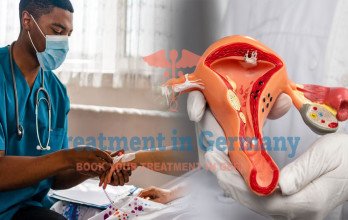
Germany has become a hub for cancer innovative treatments in Germany, attracting international patients specially from the USA, Canada, Australia, and the UK.
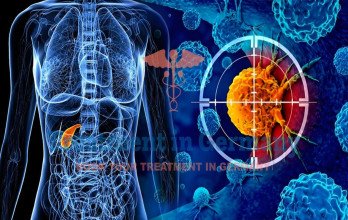
Dendritic cell therapy for gallbladder cancer in Germany is a highly personalized immunotherapy that strengthens the body’s immune response to target tumor cells.

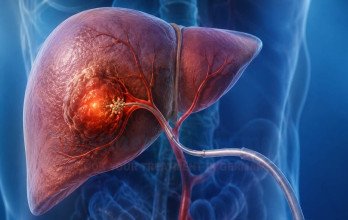
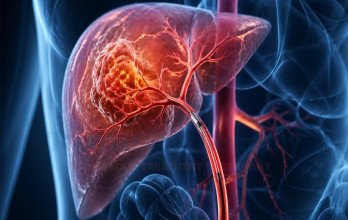
TACE (Transarterial Chemoembolization) is an innovative treatment in Germany designed to treat liver cancers and selected tumors.

Germany has become a leading destination for treatment in Germany for international patients from the USA, UK, Canada, and Australia.
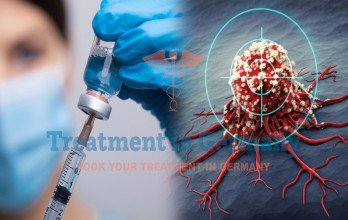
Dendritic cell therapy is a specialized form of immunotherapy designed to help the immune system target and destroy cancer cells.

Adenocarcinoma is a common type of cancer that develops in the glandular cells of various organs, including the lungs, stomach, colon, and pancreas.

Patients from around the world choose colorectal adenocarcinoma treatment in Germany because of advanced diagnostic methods, innovative treatment options, and internationally recognized cancer centers.
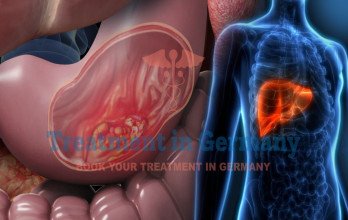
Symptoms vary depending on the tumor’s size, stage, and spread and may include persistent indigestion, abdominal pain, early satiety, nausea, weight loss, or jaundice.

Symptoms vary depending on the tumor’s size, stage, and spread and may include visible skin changes, abdominal pain, jaundice, fatigue, or weight loss.

Symptoms vary depending on the tumor’s size, stage, and spread and may include swelling, pain, weight loss, fatigue, or abdominal discomfort.

Patients from the USA, UK, Canada, and Australia increasingly choose soft tissue sarcoma treatment in Germany as an alternative cancer treatment outside USA.

Families also highlight that the cost of treatment in Germany for international patients is significantly lower than in their home countries while maintaining high medical standards.

Families often note that the cost of treatment in Germany for international patients is significantly lower compared to home countries while maintaining world-class quality.
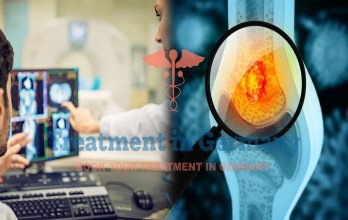
Germany is widely recognized for excellence in Osteosarcoma treatment, offering world-class cancer care supported by cutting-edge technologies and patient-focused programs.


Our benefits:
.webp)
 (1).webp)
.webp)
.jpg)
 (1).webp)
.jpg)