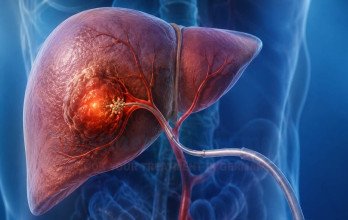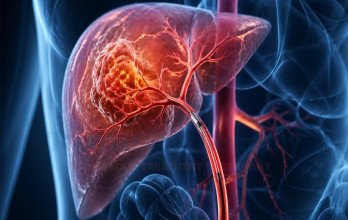
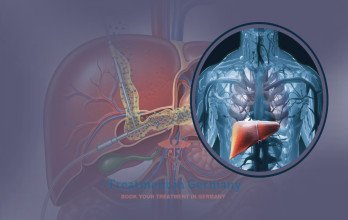
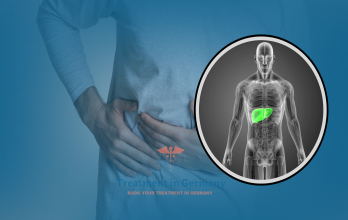
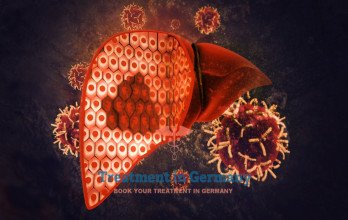
Liver cancer, a life-threatening condition, poses significant challenges worldwide, requiring targeted and innovative treatments for effective outcomes.
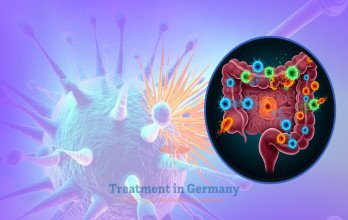
Colon cancer originates in the large intestine, often progressing from benign polyps to malignant tumors. It ranges from early stage, localized cancers to advanced, metastatic disease.
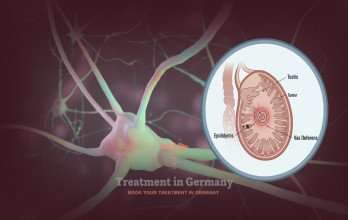
Testicular cancer, a rare but treatable malignancy, impacts young men most often, demanding innovative and effective solutions for lasting recovery.

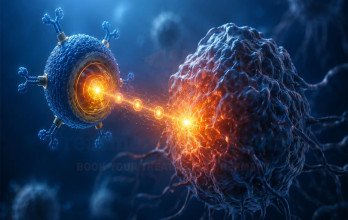
Dendritic cell immunotherapy mobilizes dendritic cells, the immune system’s sentinels, to present leukemia-specific antigens to T-cells, sparking a precise attack on cancer cells.

Germany primarily utilizes adult stem cells offering therapies for conditions ranging from neurological and orthopedic disorders to autoimmune diseases and chronic wounds.
Germany emerges as a beacon of hope, leading the charge with dendritic cell therapy, a personalized immunotherapy that harnesses the body’s immune system to target cancer cells with precision.

On the other hand, melanoma arises from melanocytes, the pigment-producing cells in the skin, and is significantly more dangerous due to its tendency to spread rapidly to other parts of the body.

Bladder cancer originates in the urothelial cells lining the bladder, with ~75% of cases being non-muscle invasive bladder cancer (NMIBC), confined to the mucosa or submucosa.
Dendritic cell therapy is an advanced immunotherapy that harnesses dendritic cells, the immune system’s key antigen-presenting cells to trigger a targeted immune response against kidney cancer (renal cell carcinoma, RCC)

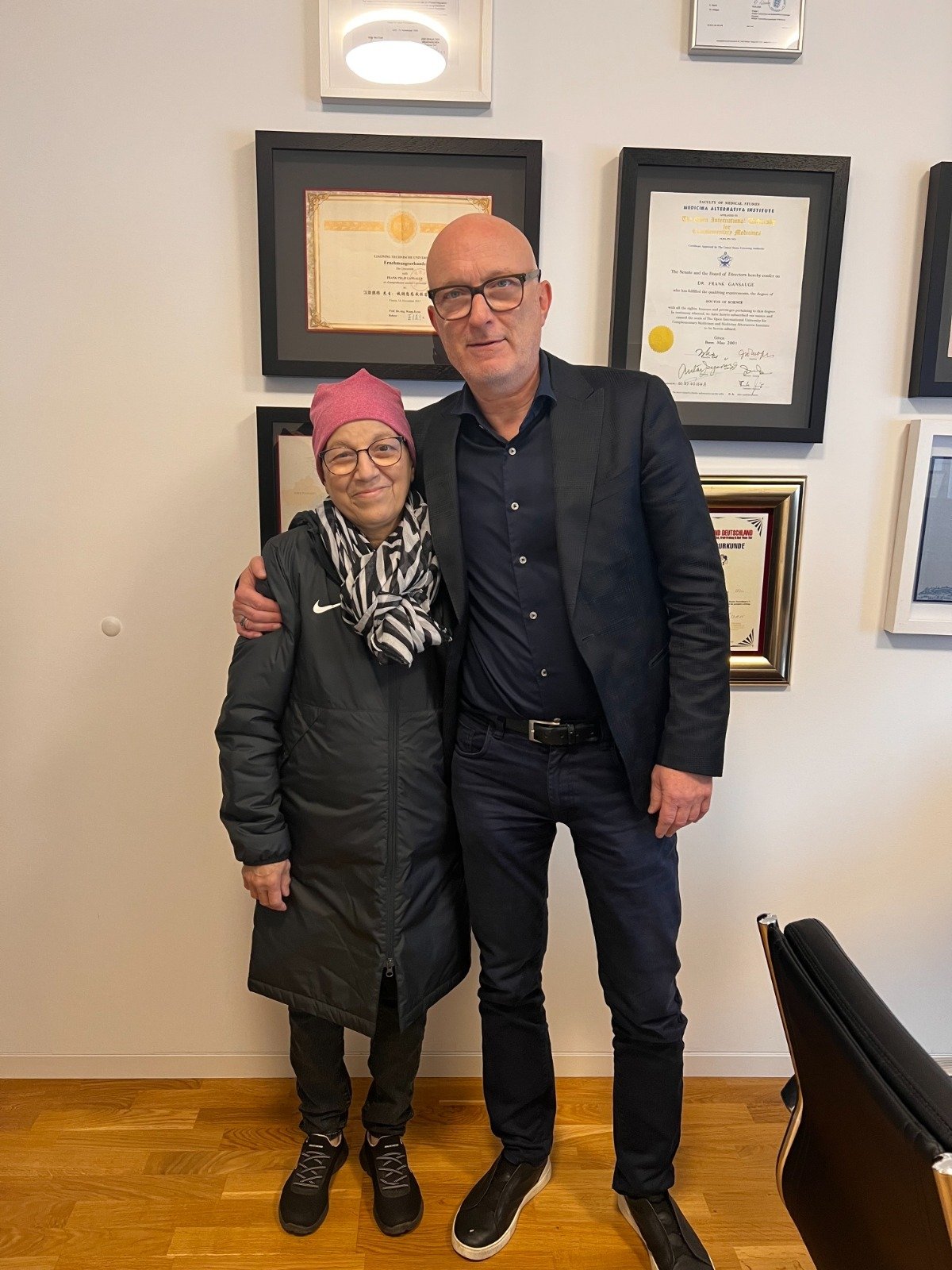
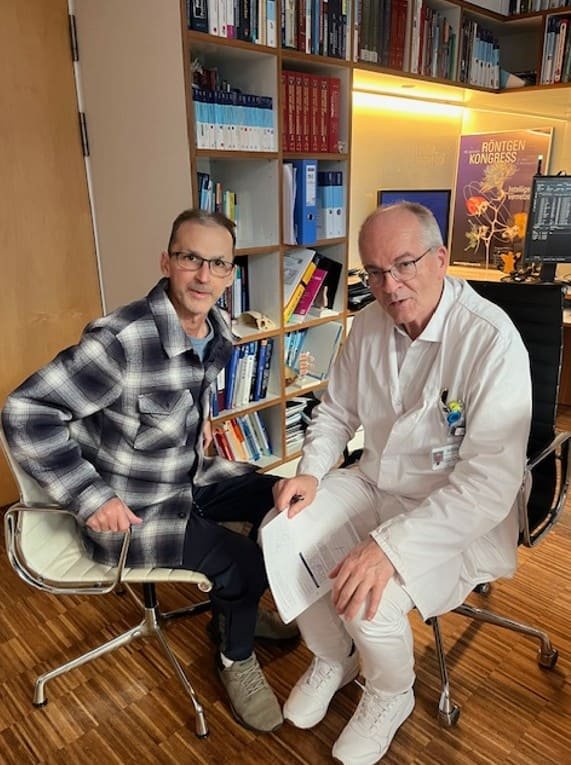
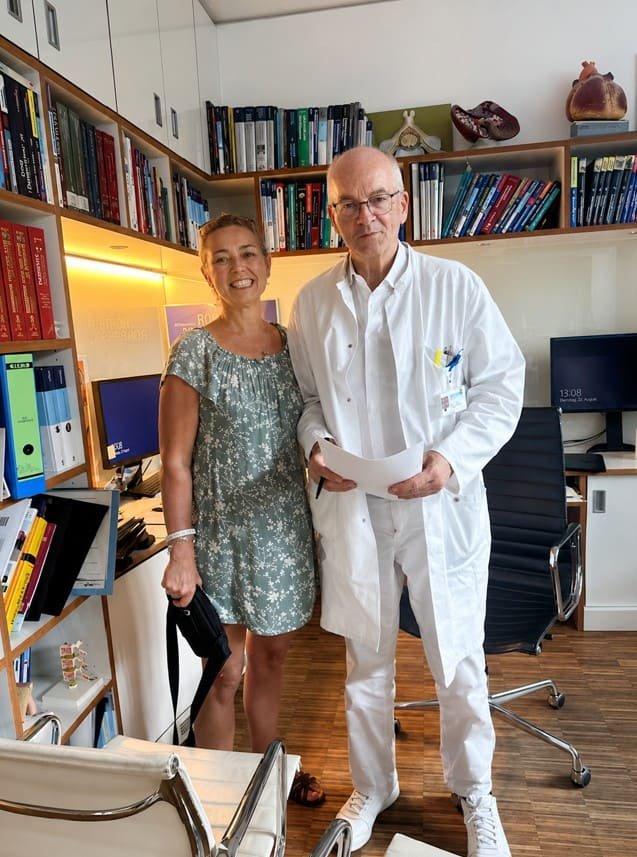
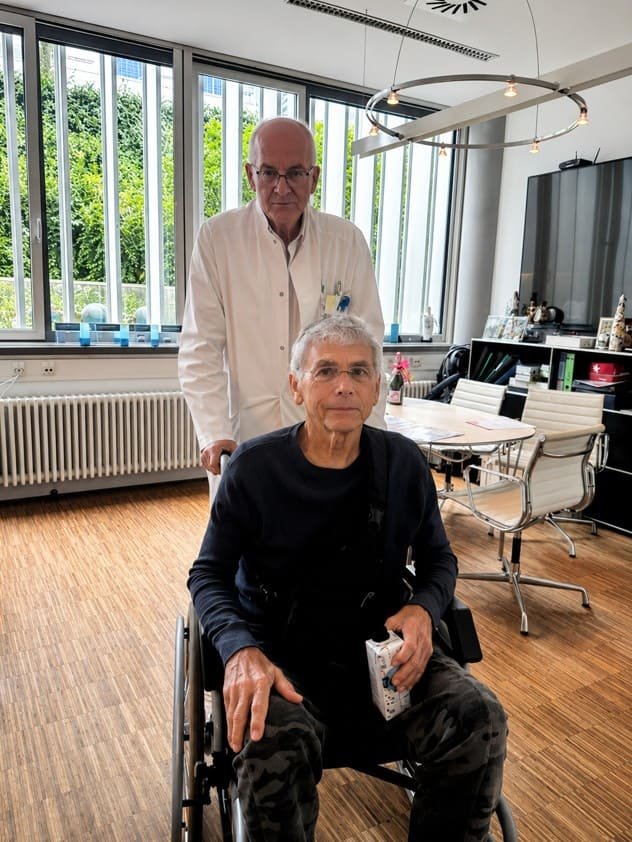
Prof. Dr. Frank Gansauge, with over 20 years of expertise in oncology and immunotherapy, is a pivotal figure in delivering personalized dendritic cell vaccine therapies in Germany.

Dendritic cell therapy is an advanced immunotherapy that utilizes dendritic cells, the immune system’s antigen-presenting cells, to stimulate a targeted immune response against colon cancer.
The HER2 protein drives tumor growth, making it a key target for targeted therapies for HER2 positive gastric cancer
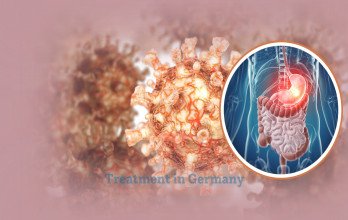
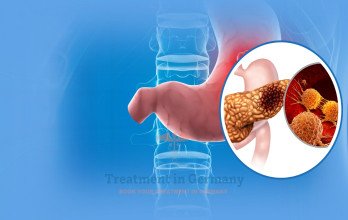
Stage 4 stomach cancer, or metastatic gastric cancer, occurs when cancer cells spread beyond the stomach to distant organs such as the liver, lungs, or peritoneum, making treatment more complex
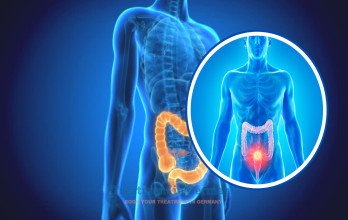
Colon cancer, a malignancy of the large intestine, is staged using the TNM system (Tumor, Node, Metastasis) to describe tumor size, lymph node involvement, and metastasis.
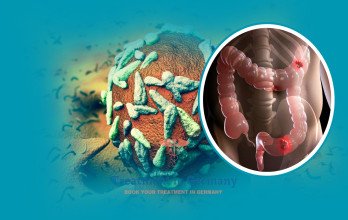
Stage 4 rectal cancer is an advanced malignancy where cancer spreads from the rectum to distant organs such as the liver, lungs, bones, or peritoneum.


Our benefits:
.webp)
 (1).webp)
.webp)
.jpg)
 (1).webp)
.jpg)